By The Fletcher Team & Associates
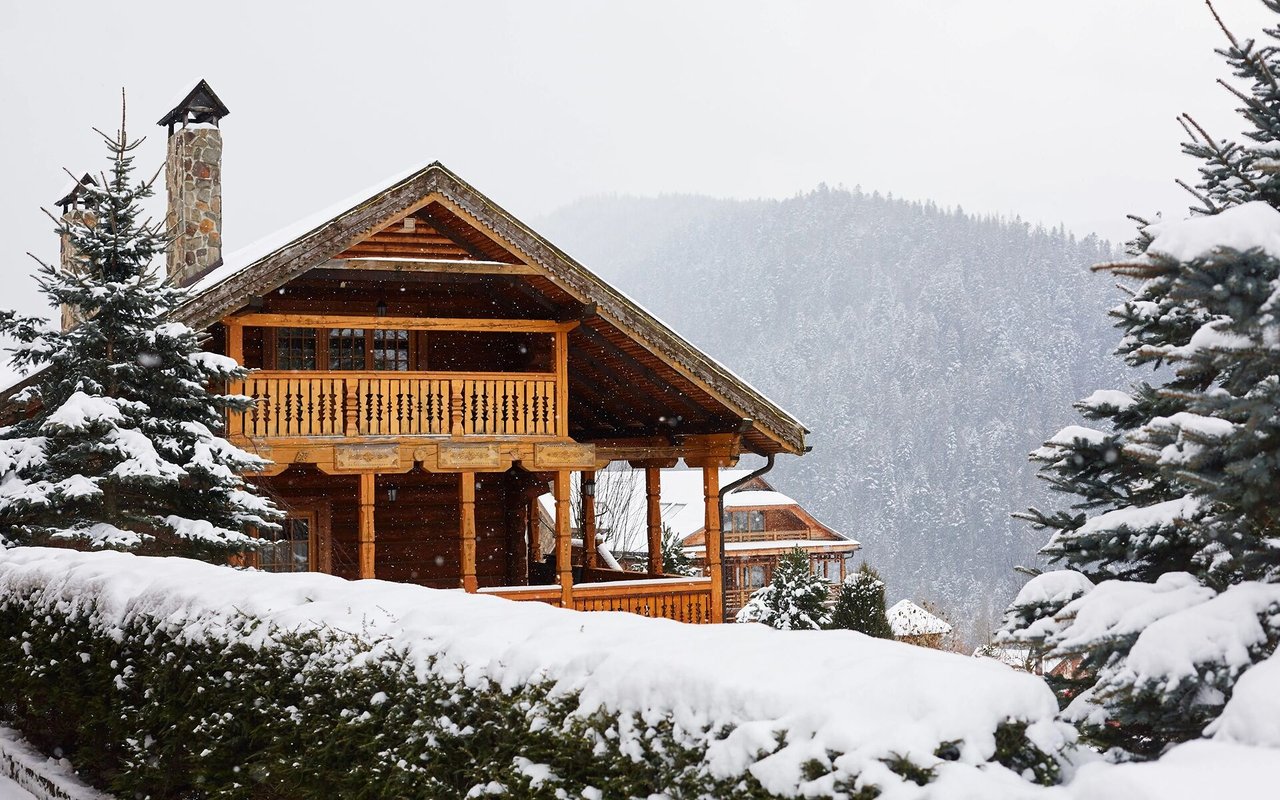
Monument sits on the Palmer Divide, the ridge of high ground between Denver and Colorado Springs, and that single fact shapes almost everything about how homes here are designed. The divide lifts passing storms and turns them into snow, which gives us bright winter mornings, pine trees dusted white, and a true four-season feel. It also means the best Monument homes are built with that weather in mind, from the pitch of the roof to the direction the driveway faces. Here’s what elevation and snow mean for the homes you’ll see on the market and how to spot the ones built to enjoy it.
Key Takeaways
- Monument’s elevation on the Palmer Divide brings more snow than nearby cities, along with plenty of sunshine to melt it.
- Driveway orientation, garage space, and roof design matter more here than in lower Front Range towns.
- High-altitude sun is strong on exterior finishes, so durable materials pay off.
Why Does Monument Get More Snow Than Colorado Springs?
How the Palmer Divide Shapes Daily Life
- Storms often leave Monument looking like a postcard, with snow on the ponderosas and Pikes Peak glowing on the horizon once skies clear.
- Many locals keep an eye on Monument Hill conditions before winter commutes, since the stretch of I-25 over the divide gets the area’s heaviest snow.
- The same terrain that brings snow also brings dramatic summer thunderstorms, which roll through in the afternoon and leave cool, clear evenings.
- Neighborhoods at slightly different elevations, like Woodmoor and parts of Black Forest, can see different snow totals from the same storm.
What Home Features Matter Most in a Snowy, High-Altitude Climate?
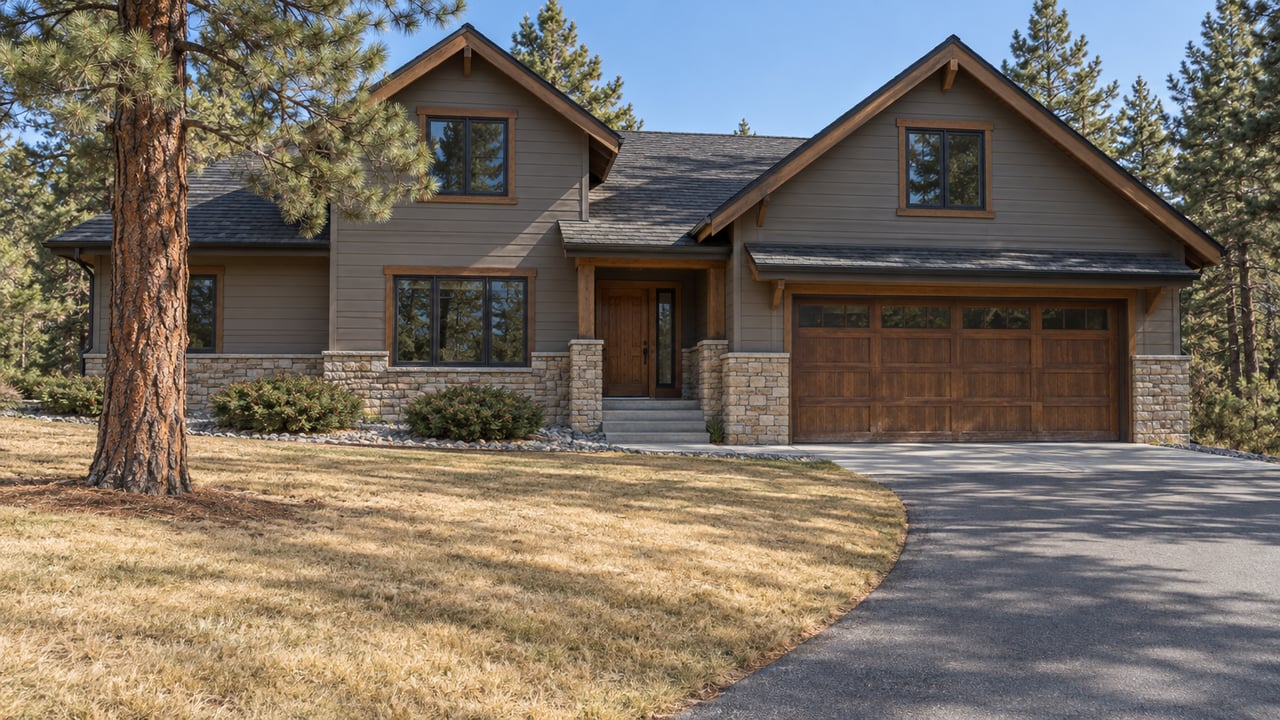
The features that matter most here are the ones that make snow easy to live with: a sunny driveway, a roomy garage, and a roof designed to shed and carry winter weight. A south-facing driveway can melt off by midday after a storm, so orientation is something we point out at every winter showing. Steeper roof pitches with quality underlayment help snow slide and melt cleanly, and they’re one of the first things we look at alongside
a Monument home’s roof and foundation during a purchase.
Features Worth Looking For on Tours
- South- or west-facing driveways and front walks catch the most sun and clear fastest after a snowfall.
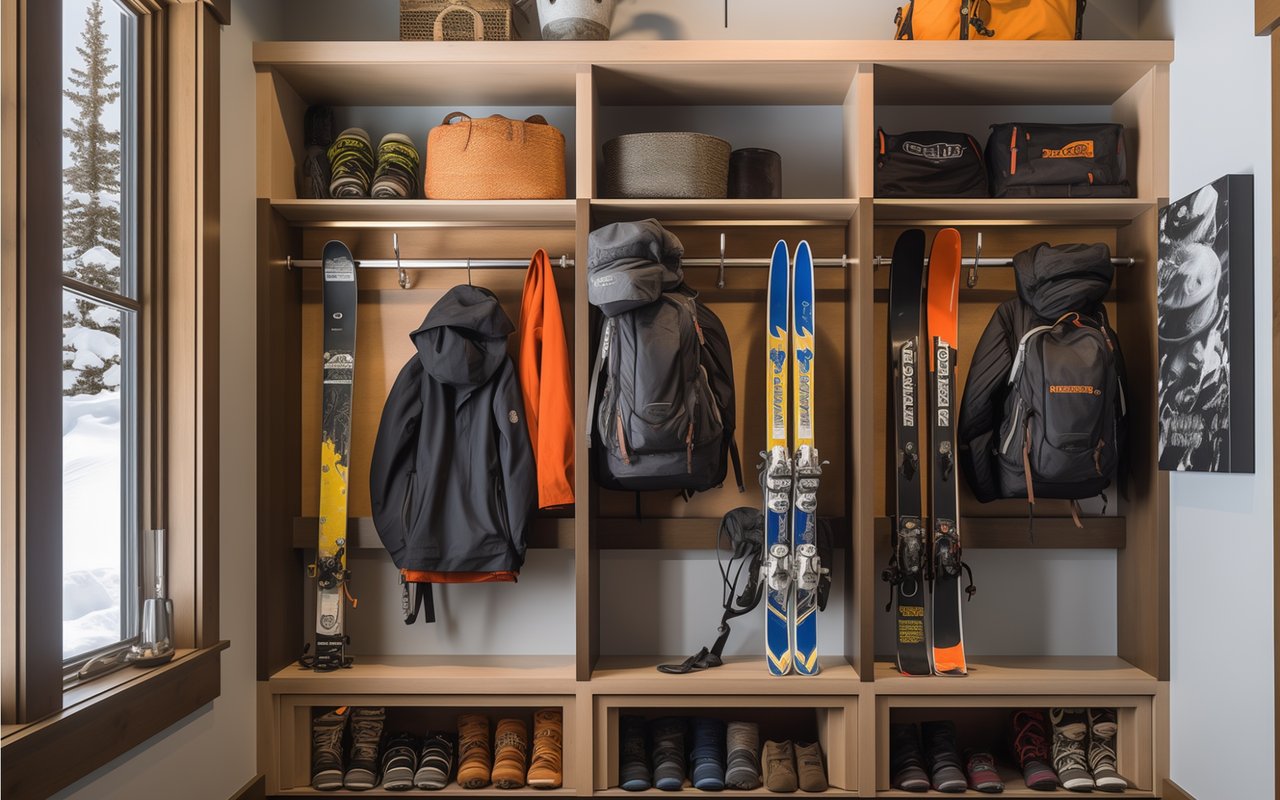
- Three-car garages, or two-car garages with extra depth, give room for vehicles, a snowblower, and winter gear without crowding.
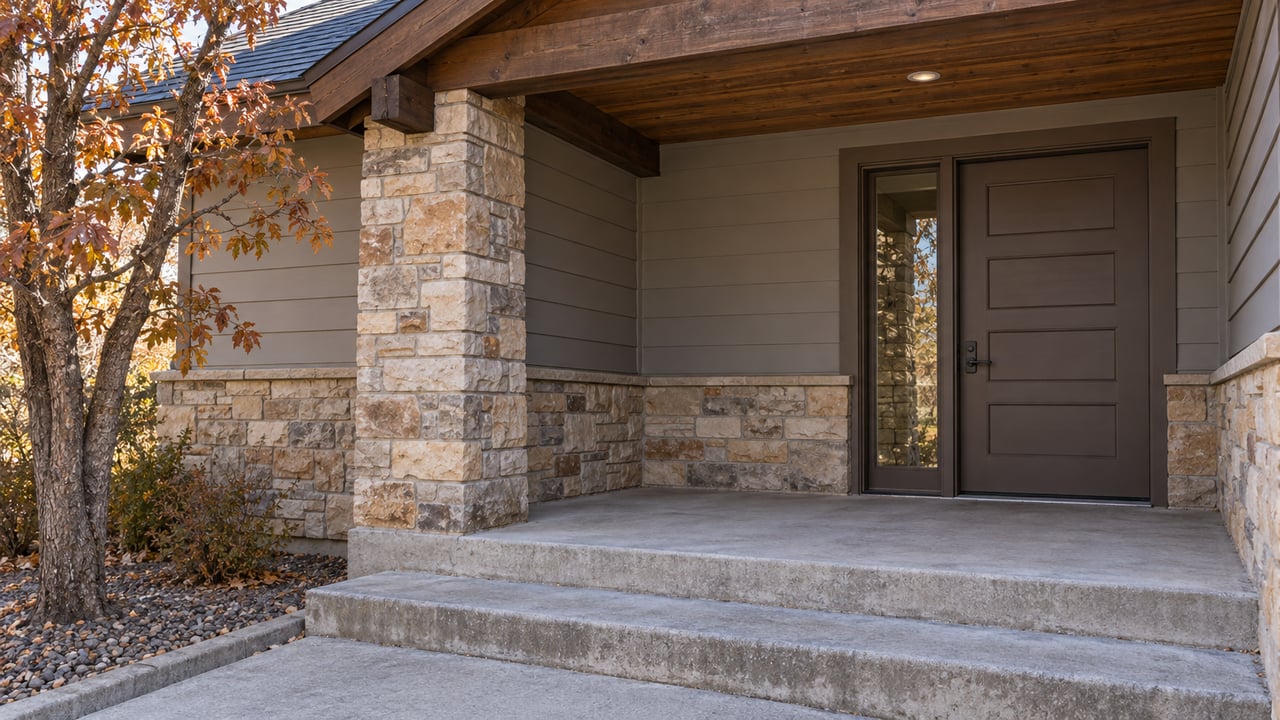
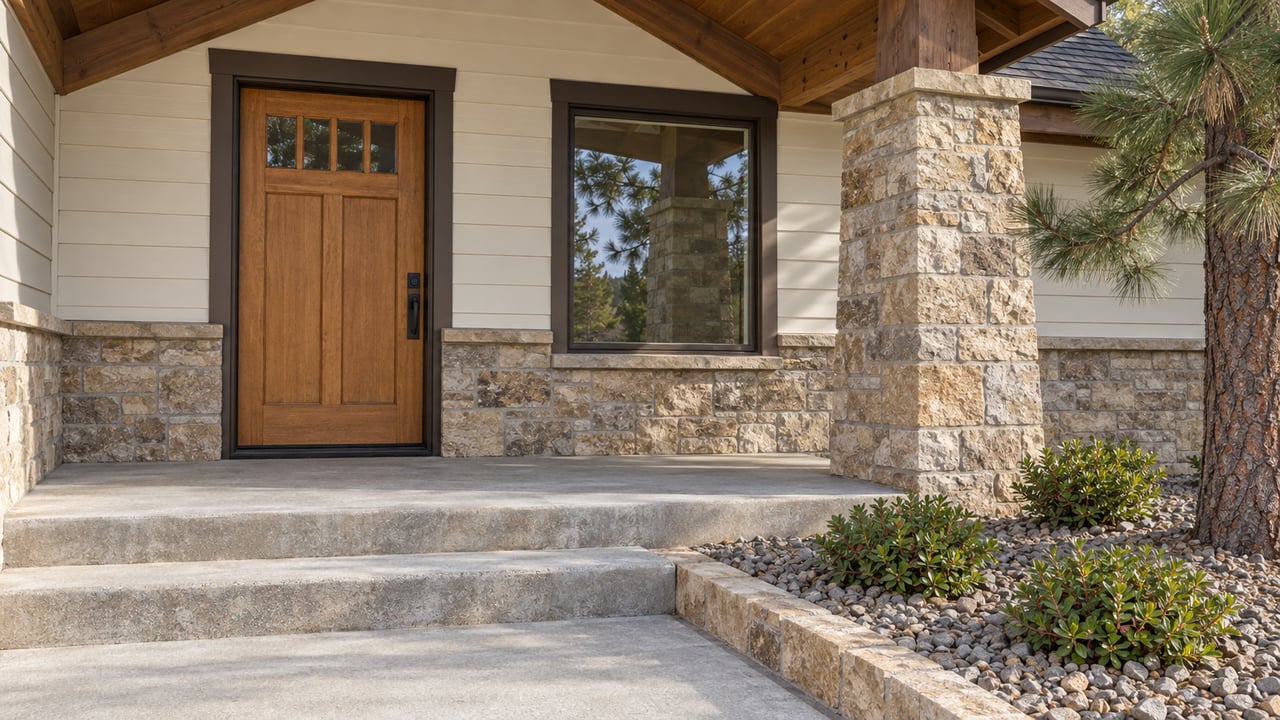
- Covered entries and porches protect front doors from drifting snow and give guests a dry place to stomp off their boots.
- Heated driveways or heat cable along roof edges are welcome upgrades on steeper lots and north-facing homes.
How Does Elevation Affect a Home’s Exterior and Systems?
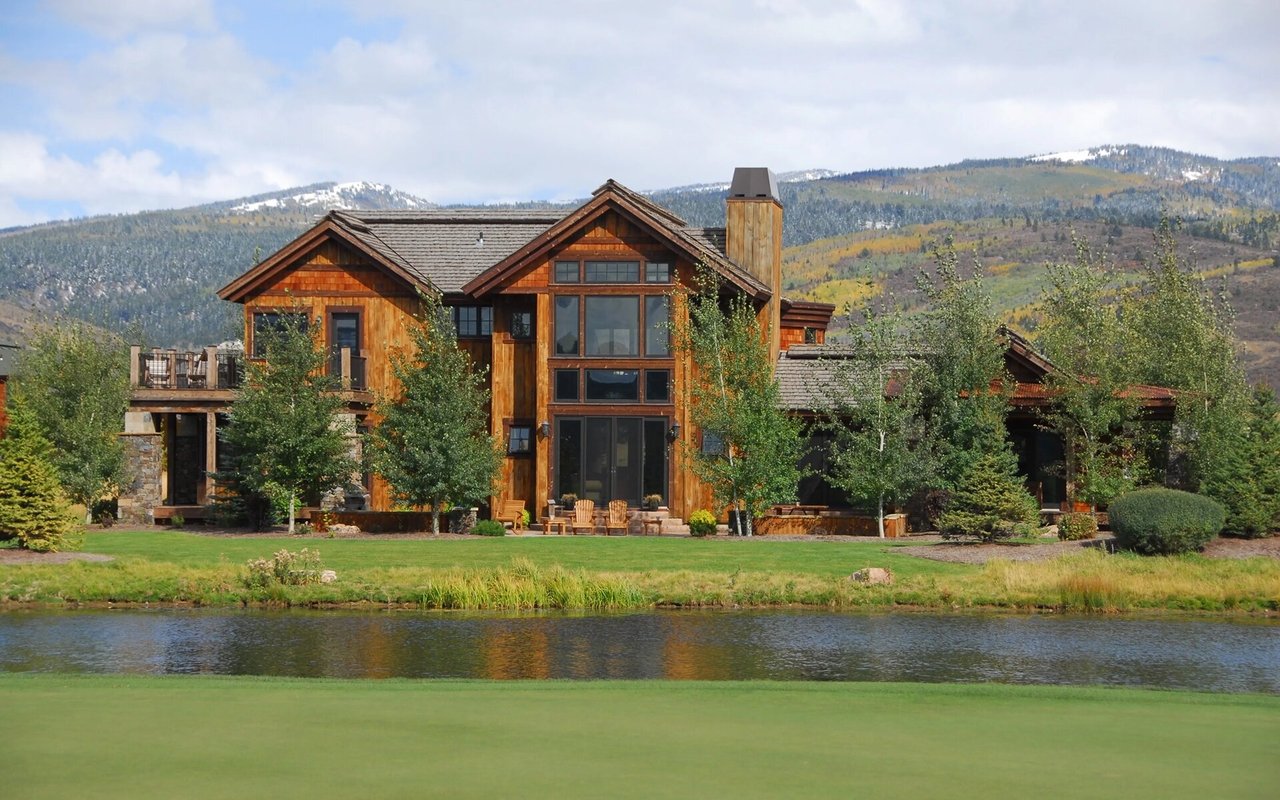
At around 7,000 feet, homes deal with thinner air, intense UV light, and wide daily temperature swings, so durable exterior materials and efficient systems make ownership noticeably easier. Fiber cement siding, metal or impact-rated asphalt shingles, and quality exterior paint hold their color and shape far longer under high-altitude sun. Inside, a properly sized furnace and good insulation keep homes comfortable through cold nights without running constantly.
Smart Choices for Monument Homes
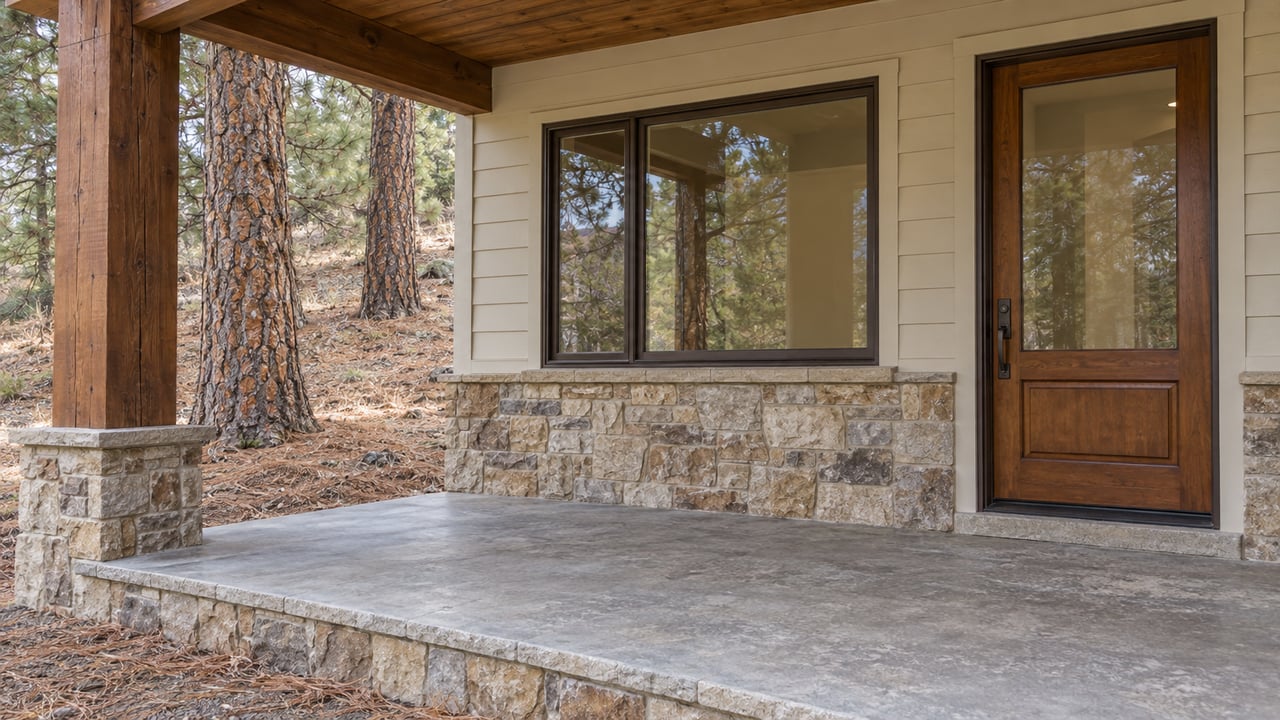
- Fiber cement and stone veneer siding resist fading and handle freeze-thaw cycles well, which keeps exteriors looking fresh.
- High-efficiency furnaces and boilers, often paired with a humidifier, make dry winter air far more comfortable indoors.
- Low-E, double-pane windows keep heat in during cold snaps and cut glare from bright snowy afternoons.
- Covered or composite decks stand up better to snow and sun than untreated wood, and they need less seasonal care.
Frequently Asked Questions
Are homes in Monument harder to sell in winter?
Not at all. Winter buyers in Monument tend to be serious and motivated, and showing a home on a sunny day after a snowfall lets them see exactly how well it handles the weather, from a clear driveway to a cozy fireplace.
Do we need four-wheel or all-wheel drive to live in Monument?
Many residents choose all-wheel drive with good snow tires, and it makes winter driving much easier, especially on hillier streets. Main roads are plowed after storms, and with a little planning most people get around comfortably all season.
Does elevation affect cooking or everyday life inside the home?
Yes, in small ways most people adjust to quickly. Water boils at a lower temperature at this elevation, so baking recipes sometimes need tweaks, and staying hydrated helps new residents feel at home within a few weeks.
Reach Out to The Fletcher Team & Associates Today
Snow and elevation are part of what gives Monument its character, and the right home makes every season something to look forward to. We know which features make the biggest difference here, and we point them out at every showing so you can buy with confidence.
If you’re ready to find a home built for life on the Palmer Divide, reach out to
The Fletcher Team & Associates. We’ll help you find a place that’s as comfortable on a snowy January morning as it is on a bright summer afternoon, and you can start exploring on our
buying page.