By The Fletcher Team & Associates
Monument is easy to overlook if you've only ever driven through it on I-25 between Colorado Springs and Denver. But spend any time here, and it becomes clear that this small town at the top of the Palmer Divide has a depth of character — geographic, historical, and cultural — that most communities of its size simply don't have. Here are some interesting facts about Monument that might surprise even longtime residents.
Key Takeaways
- Monument sits at the highest point between Denver and Colorado Springs, giving it a distinct climate and geography that shapes daily life.
- The town's name comes from a striking rock formation — and its history stretches back well before Colorado became a state.
- The Santa Fe Regional Trail running through Monument follows the path of a genuine historic railroad and connects to a 17-mile trail system.
- The Tri-Lakes region — the community of which Monument is the heart — is significantly larger and more diverse than most newcomers realize.
Monument Sits at One of the Highest Points on the Front Range Corridor
Monument sits at the southern end of the Palmer Divide — a broad, elevated ridge at over 7,350 feet that separates the drainage basins of the South Platte River to the north and the Arkansas River to the south, making it the highest community along the entire I-25 corridor between Denver and Colorado Springs. That geographic position gives the town a climate character that differs noticeably from both cities.
What the Palmer Divide Means for Life in Monument
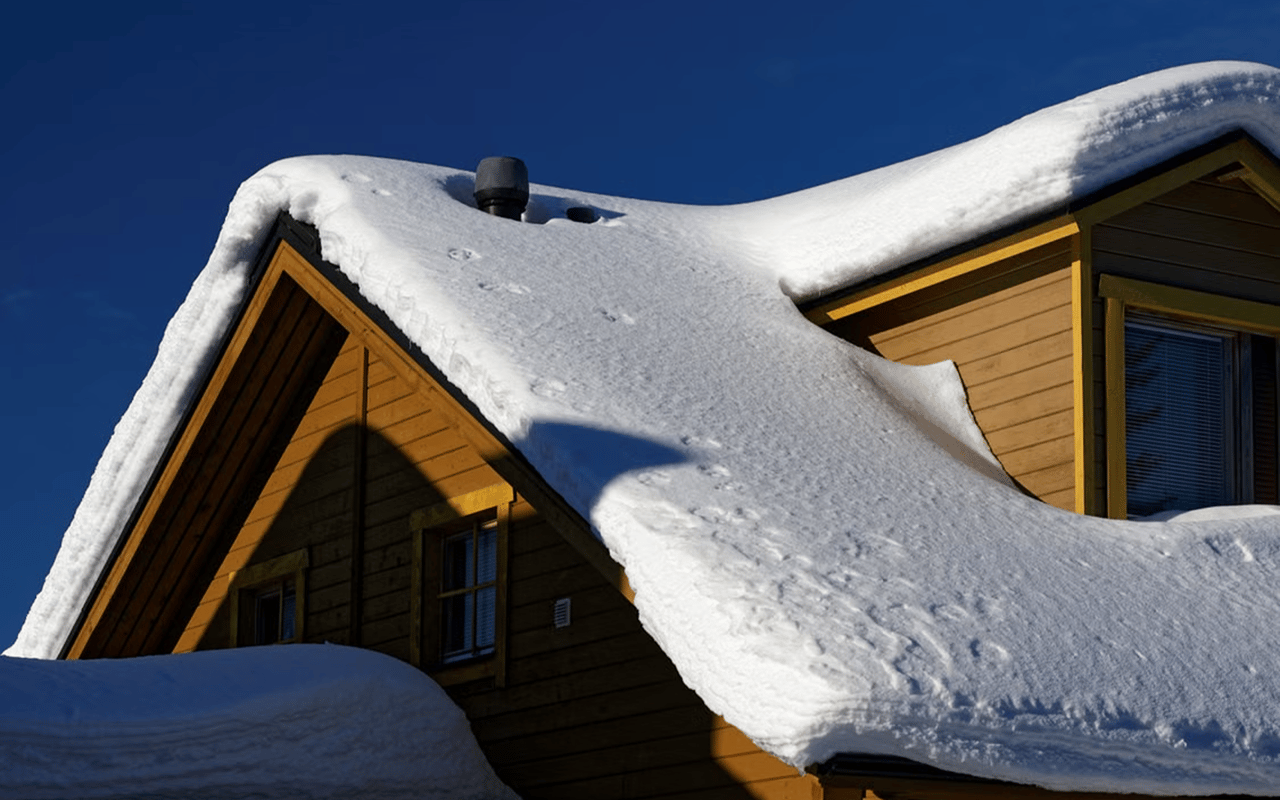
- Monument averages around 112 inches of snow annually — significantly more than Colorado Springs at a lower elevation
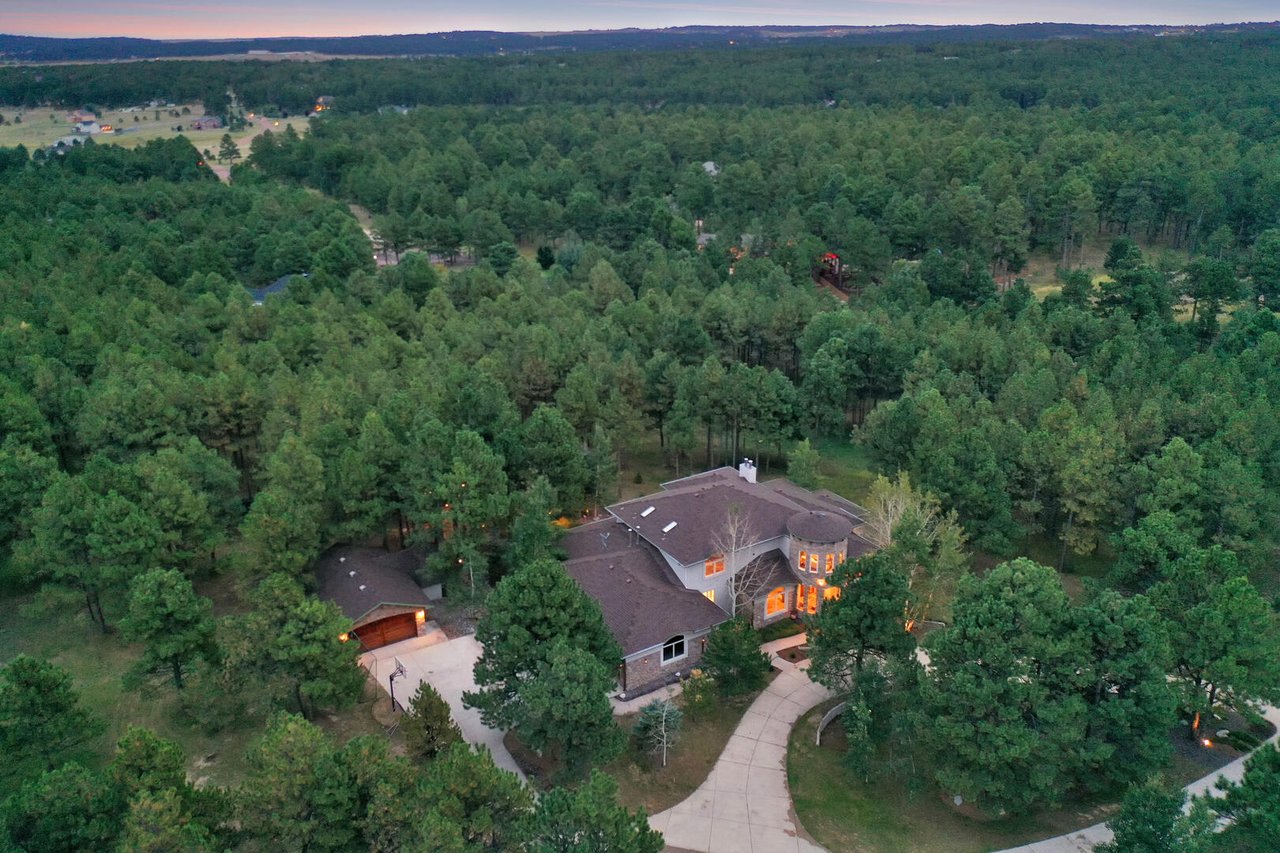
- The elevated position contributes to the dramatic, unobstructed views that make Monument's real estate so distinctive
- The divide creates a natural transition zone with a surprising variety of wildlife, including deer, elk, and the occasional black bear in the foothill areas
- The clean, high-altitude air is part of what draws residents seeking a quieter, healthier alternative to life in the larger Front Range cities
The Town Was Once Called Henry's Station
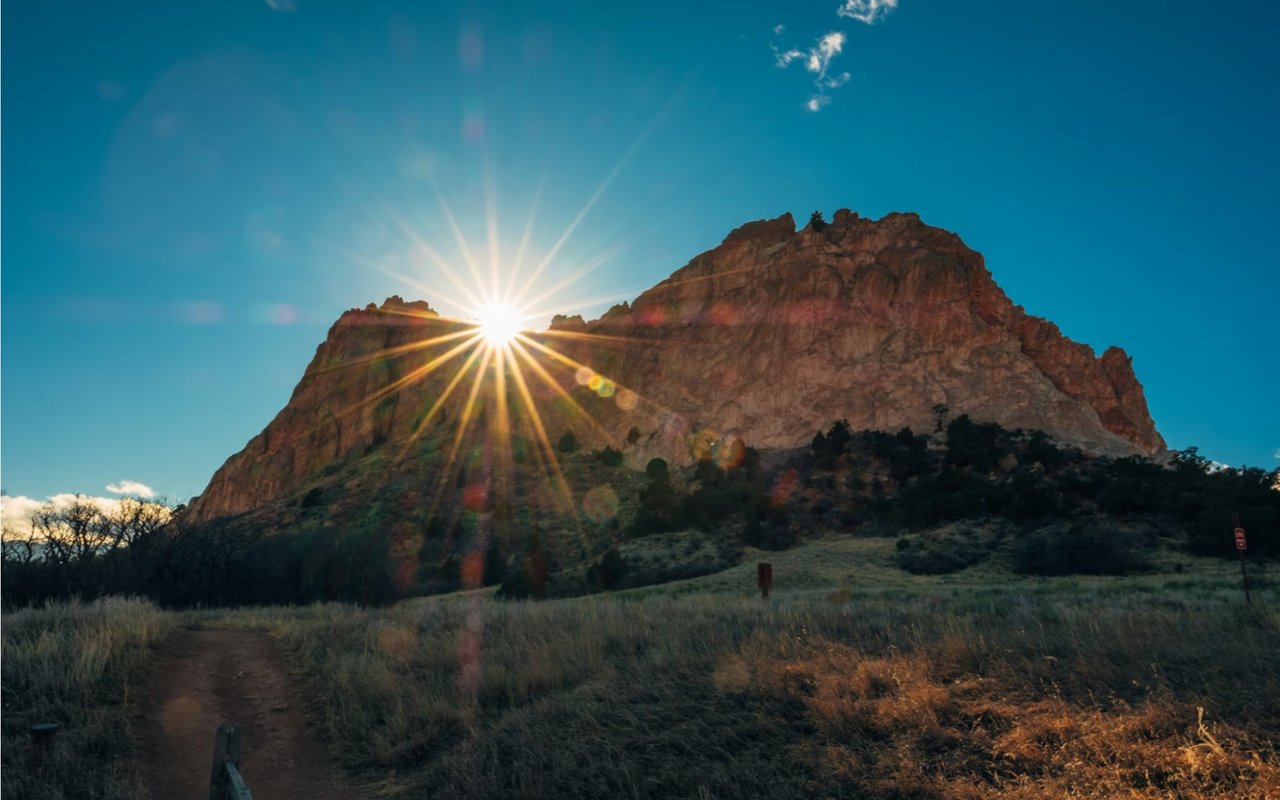
In the 1860s, the area was known as Henry's Station — named for Henry Limbach, one of the community's earliest settlers and its first mayor after the town was incorporated in 1879. When the Denver and Rio Grande Railroad arrived in 1871, the settlement grew as a commercial hub for cattle ranchers, potato farmers, and those working in lumber, ice, and coal mining. The name "Monument" was chosen for the striking rock formations visible to the northwest.
A Few More Historical Surprises
- Monument Lake was constructed in 1892, and for years, harvesting ice from the lake was a thriving local industry
- The 1895 "Great Santa Fe Train Wreck" happened right in Monument when a 300-foot trestle near 2nd Street collapsed
- An 1894 potato harvest produced 2,000 freight cars' worth of potatoes — a remarkable output from the high plains surrounding the town
- David McShane, credited as one of Monument's first homesteaders, passed through as early as 1861 and later became the community's first postmaster
The Santa Fe Regional Trail Follows a Real Historic Railroad
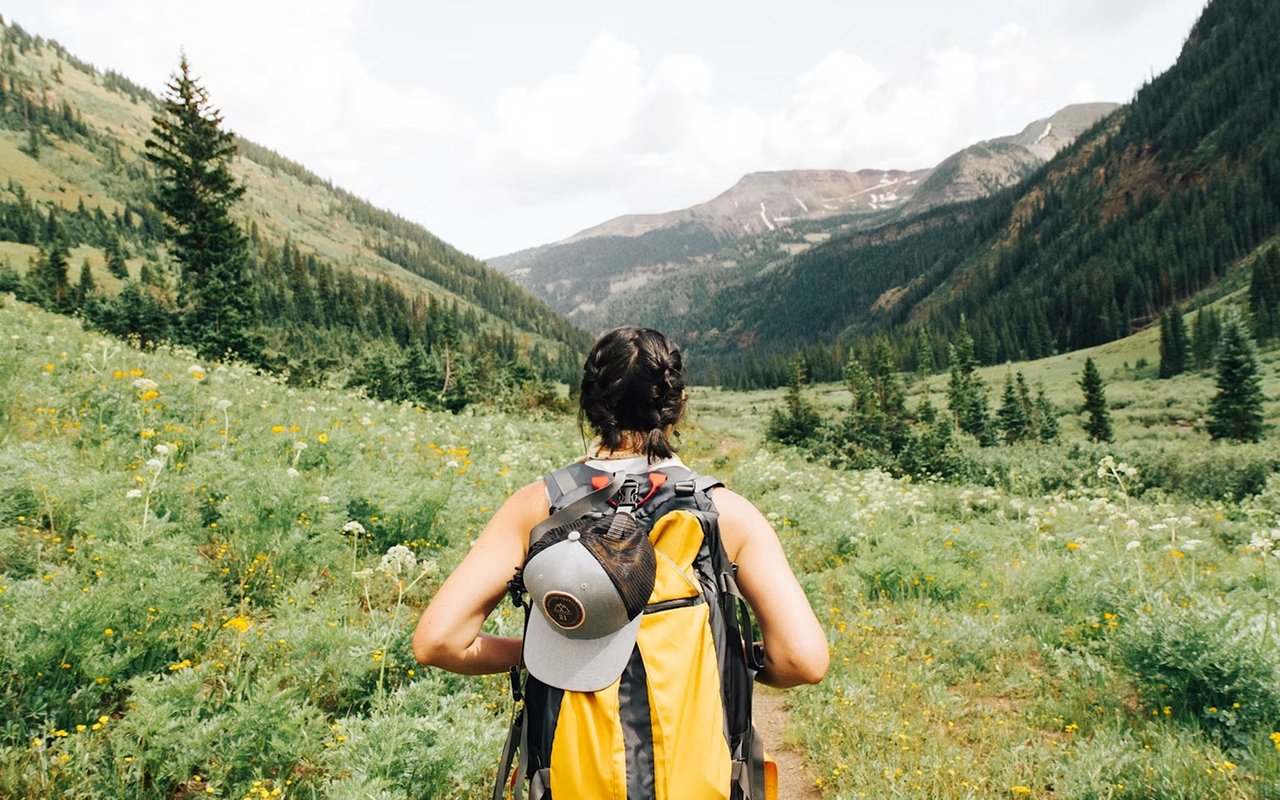
The Santa Fe Regional Trail follows the actual grade of the abandoned Atchison, Topeka and Santa Fe Railroad, descending approximately 900 feet over its 17-mile course from Palmer Lake to Colorado Springs. That gentle downhill grade is what makes it such a popular cycling route. The trail passes behind the U.S. Air Force Academy, offering a view of the grounds seen by relatively few people, and connects to the broader Pikes Peak Greenway system to the south.
Why the Santa Fe Trail Is Worth Knowing About
- 17 miles of relatively flat trail accessible from multiple trailheads in Monument and beyond
- Connects to the Greenland Trail to the north for those who want to extend into genuine backcountry terrain
- Bike helmets are required on the Air Force Academy segment — a detail that surprises first-time users
- The trail passes through downtown Monument, where riders regularly stop at local shops and restaurants mid-route
Monument Is the Heart of a Much Larger Region
Most newcomers think of Monument as a small standalone town, but it's the center of the Tri-Lakes region — a broader community that includes Monument, Palmer Lake, Woodmoor, Gleneagle, Kings Deer, and Black Forest, with a combined population exceeding 44,000. The region takes its name from its three lakes: Monument Lake, Palmer Lake, and Lake Woodmoor. Lewis-Palmer School District 38, which serves the entire region, is one of the consistently top-rated school districts in Colorado.
What the Tri-Lakes Region Offers Residents
- Three lakes for fishing, kayaking, paddleboarding, and waterside recreation within easy reach
- A school district consistently ranked among Colorado's best, with multiple high schools and elementary schools serving the region
- A community culture with farmers markets, summer concerts at Limbach Park, and the annual Tri-Lakes 4th of July Celebration
- Over 300 days of sunshine annually, with the elevation providing cooler summers than the broader Front Range
FAQs
How far is Monument from Colorado Springs and Denver?
Monument is approximately 20 miles north of downtown Colorado Springs and about 40 miles south of Denver — close enough to access both cities, while maintaining its own distinct small-town character.
Is Monument part of Colorado Springs?
No — Monument is an independent incorporated town in El Paso County with its own municipal government, school district, and community identity. It's often referred to collectively with nearby communities as the Tri-Lakes area.
What makes Monument's school district different from Colorado Springs?
Lewis-Palmer School District 38 serves Monument and the Tri-Lakes region separately from Colorado Springs' districts. It consistently earns high performance ratings and is a meaningful factor for families choosing between communities along the Front Range.
Discover Monument with The Fletcher Team & Associates
Monument is the kind of place that reveals more the longer you stay — and we love helping buyers discover what makes it so genuinely worth choosing. We're a full-service team committed to helping you buy or sell with confidence, local expertise, and a process that feels as straightforward as the community itself. Whether you're new to the area or ready to make your next move, we're here to make sure you feel empowered every step of the way.
Visit our website today to connect with our team and get started.