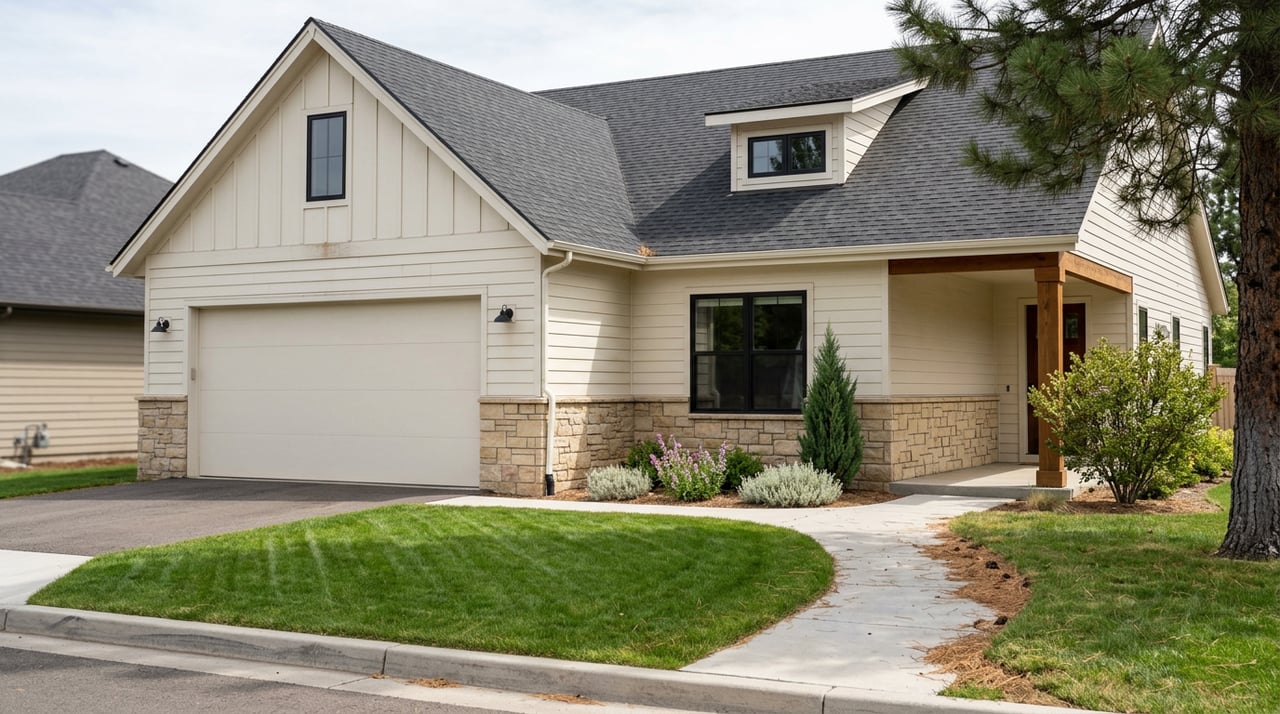
The Radon Disclosure Northgate Sellers Can't Skip, And Why VA Buyers Should Ask About It Early
September 3, 2026
September 3, 2026
For years, a radon test in a Colorado Springs home sale was treated like a courtesy: something a cautious buyer might request during inspection, something a seller could shrug off if the topic never came up. That assumption stopped being true on August 7, 2023, when the Colorado Division of Real Estate said Colorado's radon disclosure law went into effect. Since then, every residential sales contract in the state has carried a bold-type warning statement about radon, and sellers are legally required to hand over any known test results, mitigation records, and a state health department brochure before a buyer signs.
In most Colorado neighborhoods, that shift is a paperwork change. In Northgate, it's closer to a structural fact of doing business. El Paso County sits in the Environmental Protection Agency's highest radon potential zone, and a meaningful share of Northgate's housing stock was built during the same growth era that filled out the Air Force Academy corridor, with large finished basements that happen to be exactly where radon concentrates. Layer on top of that the number of Northgate buyers using VA financing tied to a fixed report date, and the radon conversation stops being a health footnote. It becomes a timeline problem.
Senate Bill 23-206 didn't create a testing mandate. Colorado still doesn't require every home to be tested before it sells. What the law changed is what happens once a seller knows something. Every contract must now include the state's specific bold-type warning language about radon risk, and sellers must disclose any prior test records, describe any concentrations that were detected, and state whether a mitigation system has ever been installed. If a system exists, Boulder County says radon is presumed to have been present at some point and would return if the system failed, so the disclosure obligation follows the house even after a fix is in place.
That last point matters more in Northgate than it might elsewhere. A home that mitigated a decade ago still carries that history into every future sale.
Radon enters a home through cracks in the foundation, and El Paso County's soils give it plenty of cracks to work with. The area sits on expansive bentonite clay, which swells when wet and shrinks when dry. That constant movement stresses slabs and foundations in a way that flatter, more stable soils don't experience, and it creates the kind of gaps that let soil gas migrate upward. Combine that with a Colorado Springs winter, when homes stay sealed for months and furnaces pull negative pressure that draws gas further into the house, and you get conditions that favor elevated indoor readings almost by design.
Northgate's construction era compounds it. Much of the neighborhood went up during the decades when Fort Carson, Peterson, Schriever, and the Academy were driving steady residential growth, and that generation of homes tends to include large, finished basements where families spend real time. That's the same square footage where radon settles.
None of this means every Northgate home has a radon problem. It means the odds of the conversation coming up are higher here than in a county with a lower EPA zone designation, and the paperwork trail now follows that conversation into every future closing.
In practice, a reading at or above the EPA's action level of 4 picocuries per liter tends to resolve one of two ways.
| Outcome | Typical cost | Where it lands in the contract |
|---|---|---|
| Seller installs a mitigation system before closing | Roughly $1,500 to $3,500 | Resolved during inspection negotiations |
| Seller offers a closing credit instead of installing a system | Roughly $1,200 to $1,800 | Negotiated as part of inspection resolution |
| Neither happens before the buyer's closing deadline | Delay, re-negotiation, or a walked deal | Collides directly with a fixed report date |
The first two outcomes are routine and rarely derail a sale on their own. The third is where Northgate's VA concentration turns a manageable issue into a scheduling emergency.
Lender guides consistently flag Briargate and Northgate together as one of the top VA-buyer price bands near the Academy, which means a disproportionate share of Northgate contracts are running on a VA clock rather than a conventional one. El Paso County's VA appraisal panel typically turns an appraisal in about 8 to 12 days, and that window stretches further during PCS season, which runs roughly May through August as households relocate on military orders.
A radon test that surfaces mid-contract doesn't wait for any of those deadlines to clear first. If a seller hasn't already tested, and the inspection turns up an elevated reading after the VA appraisal has already been scheduled, the mitigation-and-retest cycle has to happen inside a window that was already tight before radon entered the picture. That's the actual friction point in a Northgate transaction: not whether radon can be fixed, but whether it can be fixed on a schedule set by someone else's orders.
The sellers who avoid the squeeze are the ones who get ahead of the paperwork rather than reacting to it mid-contract.
Here's the part that should change how a Northgate seller thinks about timing. Proactive testing costs nothing beyond the price of the test itself, and mitigation if needed runs $1,500 to $3,500 as a one-time expense handled entirely on the seller's own schedule. Waiting until a buyer's inspection surfaces the issue mid-contract often produces a similar outcome financially, a $1,200 to $1,800 credit instead of a mitigation install, but it costs something proactive testing doesn't: contract-timeline slack, at the exact moment a VA buyer's PCS clock is already running. The dollar figures are comparable. The schedule risk isn't.
Does Colorado require every home to be tested for radon before it sells? No. The law requires disclosure of any known test results and the standard warning language, not a mandatory test. Given El Paso County's Zone 1 designation, most local inspectors recommend testing regardless of what the law technically requires.
If my home already has a mitigation system, do I still have to disclose anything? Yes. Colorado guidance treats an installed system as evidence that radon existed above safe levels at some point, and the presumption is that levels would return if the system failed, so the disclosure obligation continues even after a fix is in place.
Why is timing the issue for a VA purchase with a high radon test? The risk in Northgate isn't that the deal falls apart over radon. It's that the fix has to happen inside a window that's already tight because of a VA report date or a PCS deadline.
Who's allowed to test and mitigate radon in Colorado? Radon measurement and mitigation professionals have been required to hold a state license since House Bill 21-1195. Always verify a license through Colorado's licensing lookup before hiring anyone for either service.
If you're weighing the timing on a Northgate sale or trying to line up a VA purchase around a PCS date, this is exactly the kind of local detail that changes how a contract should be structured from day one. The Fletcher Team works these transactions in Northgate regularly and can walk you through what your specific timeline actually allows. Reach out to receive exclusive listings and a free home valuation, and let's get the schedule right before it becomes a problem.
This article is general information, not legal, tax or financial advice. Consult a qualified professional about your situation.

Designing a Productive Workspace That Matches the Way You Live in Monument, CO.

A Local’s Guide to Leafing Trails and Spots Near Monument.

A Map to the Trails Locals Love Hiking Near Monument.
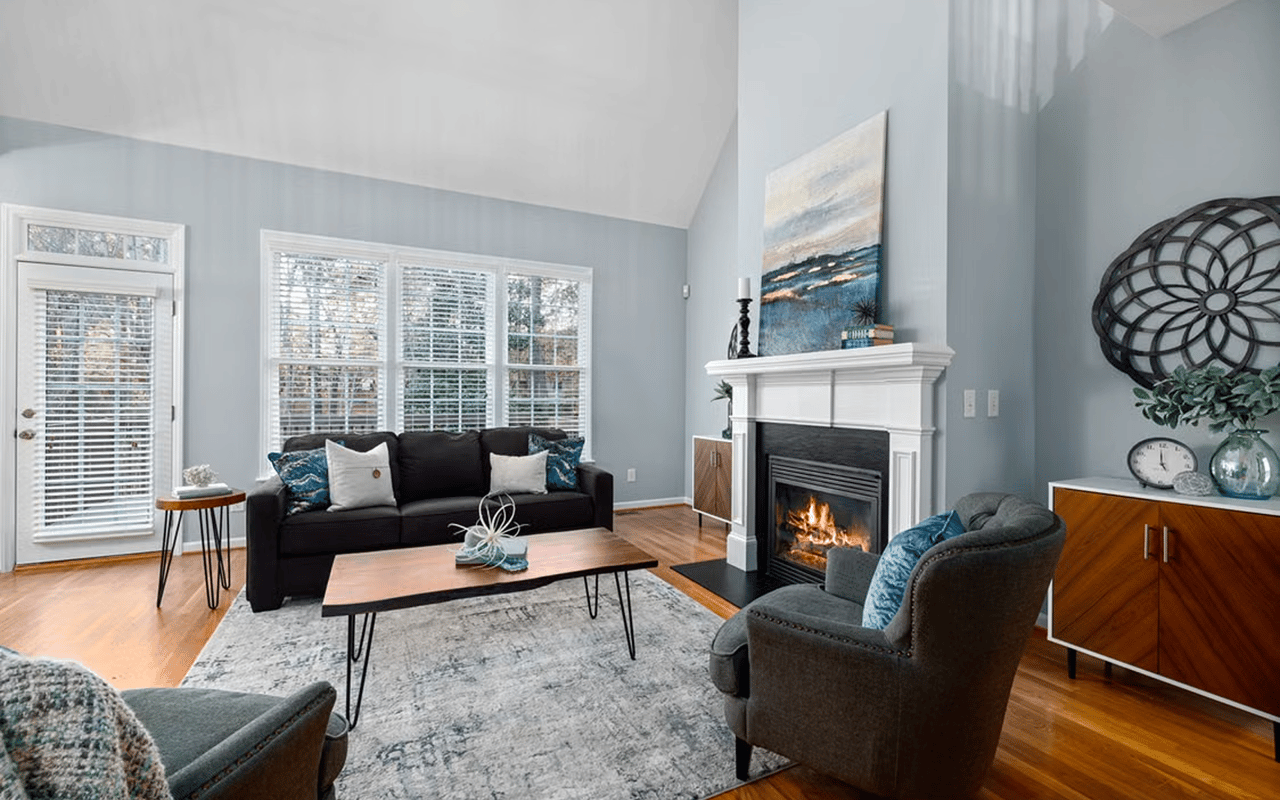
Staging Tips That Turn Pikes Peak Views Into Offers for Your Monument Home.
Having the right real estate team means having a team who are committed to helping you buy or sell your home with the highest level of expertise in your local market. This means also to help you in understanding each step of the buying or selling process.
Get In Touch With Our Team
155 2nd Street Monument, CO 80132