Living In Black Forest: Space, Pines And Quiet Roads
March 26, 2026
March 26, 2026
Ever pictured your morning coffee under tall ponderosa pines, with birdsong and quiet roads instead of traffic? If you crave space and privacy without leaving the Colorado Springs area, Black Forest may be a perfect fit. In this guide, you’ll learn what day-to-day life looks like on acreage, the key systems to understand, and a simple buyer checklist to help you move forward with confidence. Let’s dive in.
Black Forest sits on the northern edge of the Colorado Springs metro, in unincorporated El Paso County. It is a wooded area known for larger parcels and a rural feel. For a helpful local overview of the area’s character, see the community resources on Black Forest’s local site.
Commute times vary by exact address. If you live near the southern edge, the drive to much of north Colorado Springs can often be about 15 to 25 minutes, with longer times for properties deeper in the forest. For a quick sense of distance, check driving distance estimates from Black Forest to Colorado Springs.
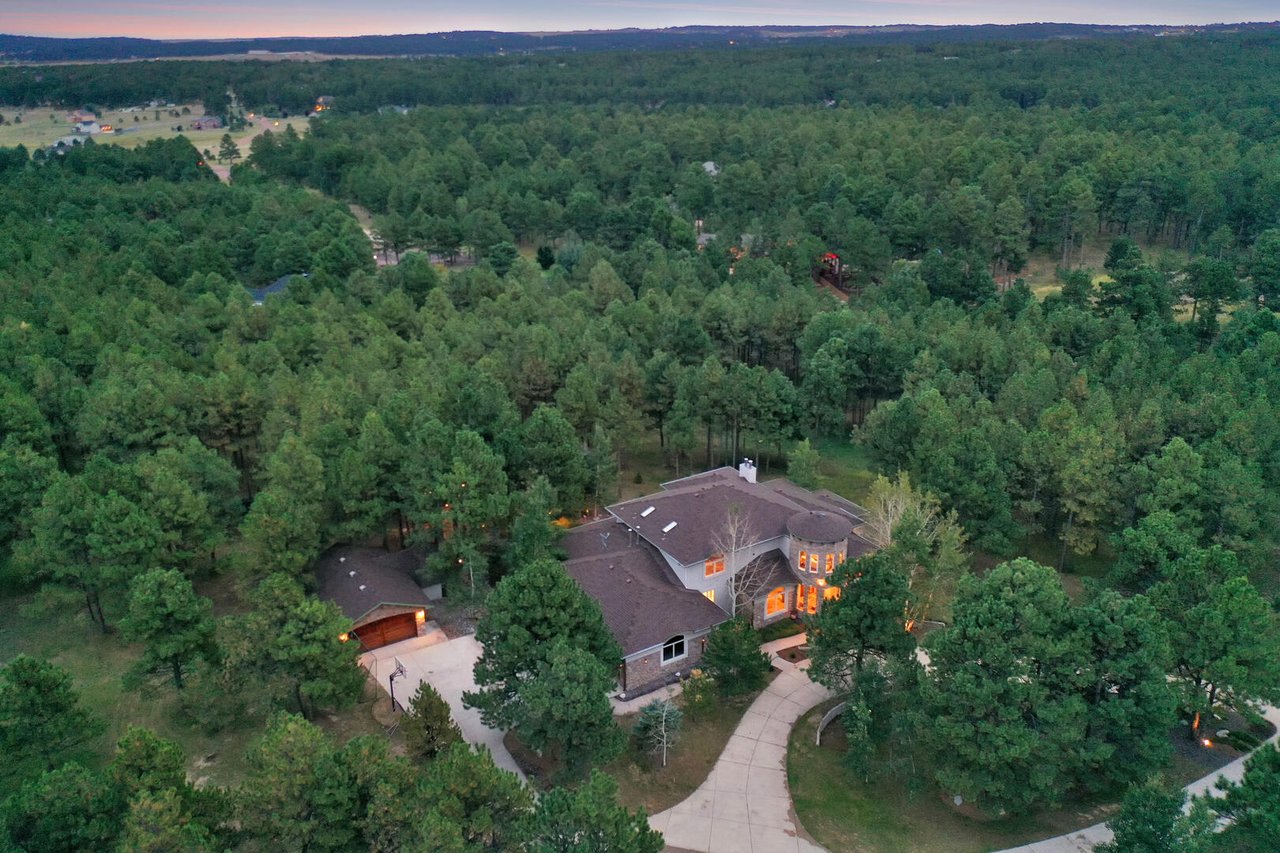
Living in Black Forest typically means more room between homes, mature pines, and a stronger sense of privacy than denser suburbs. You’ll likely enjoy quieter roads and starrier nights than in town. With that privacy comes more responsibility for maintaining trees, fencing, and often longer driveways, so plan time and budget for upkeep.
Many residents point to the pines and the quiet as the top reason they chose the area, which shapes everything from weekend routines to how you plan for wildfire safety. If you value breathing room, it is hard to beat.
You will find a mix of small ranchettes, 1 to 10-plus acre properties, and larger tracts. Much of the area falls under low-density rural residential zoning, such as RR-5, which reflects long-standing planning preferences to preserve a rural character. To understand zoning categories and permitted uses, review the El Paso County land-use code.
The county’s planning approach, including the Black Forest Preservation Plan and water review standards, is one reason the area has stayed lower density compared with closer-in suburbs. Always confirm the exact zoning and any covenants for the parcel you are considering.
Most acreage properties rely on private wells rather than central water. In Colorado, wells are permitted and logged through the State Engineer’s office, and deeper aquifers in parts of El Paso County are governed by specific rules. Before you buy, it is smart to pull the property’s well permit, obtain the driller’s log, and understand the permitted uses.
As a buyer, plan to order current water quality testing. At a minimum, test for bacteria and nitrate, and consider a broader inorganic panel. You can learn about permits and records through the Colorado Division of Water Resources.
Instead of city sewer, many homes use onsite wastewater systems (septic/OWTS). El Paso County Public Health regulates these systems, including design standards, setbacks, and transfer-of-title inspections at sale. A key rule to keep in mind during due diligence is the typical 100-foot minimum horizontal separation between a septic soil treatment area and a drinking water well for conventional systems.
If a property needs repairs or an upgrade, the county outlines processes and requirements in its regulations. You can review the details in El Paso County’s OWTS regulations.
In Black Forest, many drives and some access roads are privately maintained. Public county roads are handled by El Paso County, but private gravel roads and shared drives usually require owners to coordinate grading, snow removal, dust control, and long-term repairs. Before you buy, confirm whether your road is county-maintained or private and request any recorded road maintenance agreements.
Converting a private road to county maintenance typically requires unanimous owner agreement, engineering upgrades to county standards, and right-of-way dedication, which can be costly. For policies and programs, see El Paso County Public Works guidance on road status and conversions. When possible, drive the access route in wet or snowy conditions to check real-world usability.
Electric and gas providers vary by address in rural El Paso County, and broadband or cell coverage can be uneven. Availability and speeds are address-specific, so research providers for the exact location you have in mind. The county outlines its broader approach to connectivity in the El Paso County broadband strategy, but your best bet is to verify service directly for the property.
If reliable high-speed internet is essential for work or school, make service verification part of your offer timeline. You can also check provider and FCC maps during due diligence to confirm technology types and speed tiers.
Black Forest sits in ponderosa pine country, which is beautiful and comes with elevated wildfire risk. The 2013 Black Forest Fire shaped local memory and preparedness efforts and is a reminder to plan ahead. For historical context, review the 2013 Black Forest Fire coverage.
Homeowners are encouraged to create defensible space, manage tree health, and participate in neighborhood mitigation projects. The local fire district offers assessments, education, and community programs to help you get started. Explore the Black Forest Fire/Rescue wildland mitigation resources to plan next steps for your property.
Despite the rural feel, you will find a strong community fabric anchored around local gathering spots and volunteer groups. Trails and parks are a big part of daily life for many residents. You can hike, run, or ride at Black Forest Regional Park, and join local trail groups and community events that bring neighbors together.
Seasonal markets, arts and crafts events, volunteer slash and mulch programs, and trail maintenance days are common in the area. Expect a calendar of activities that reward involvement and help keep the forest healthy. Many buyers fall in love with the blend of quiet living and authentic community.
Use this simple, non-technical checklist to approach acreage due diligence with confidence:
If you want room to breathe, tall pines outside your window, and a quieter pace near Colorado Springs, Black Forest delivers. You trade some municipal conveniences for more independence, plus extra planning for wells, septic systems, access, and fire mitigation. Many find that the space, privacy, and community ties are well worth it.
If you are weighing options or want address-specific guidance, let a local expert walk you through the details and timing. From verifying well and septic records to coordinating inspections and negotiations, we can help you buy with confidence. Ready to explore properties on acreage? Connect with The Fletcher Team & Associates to start your search.
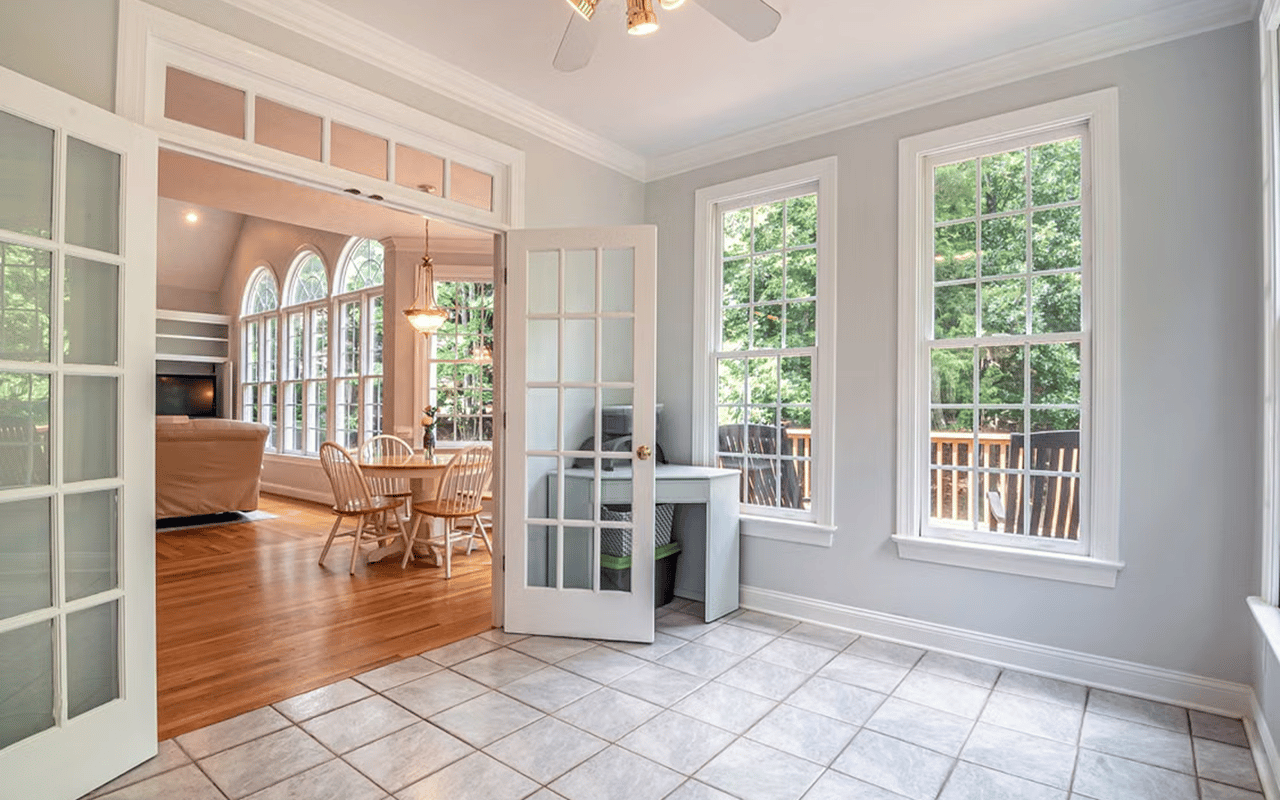
Brighten Every Room in Your Monument Home Year-Round.
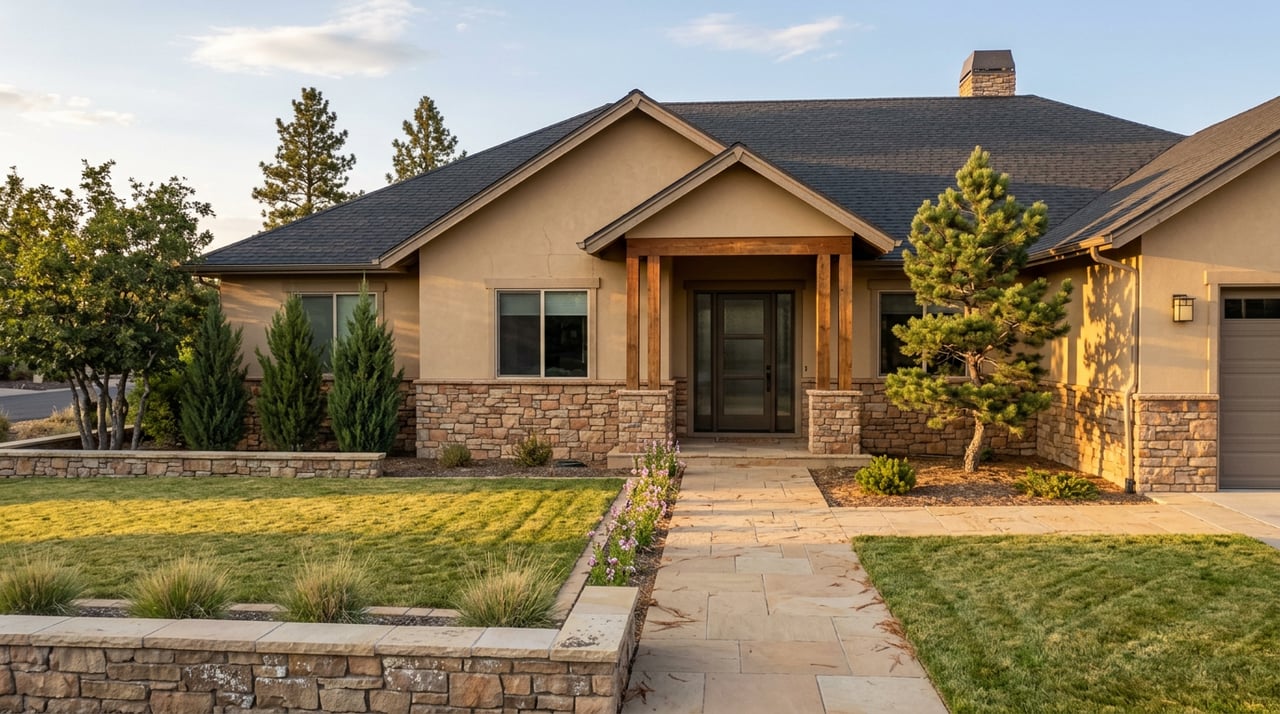
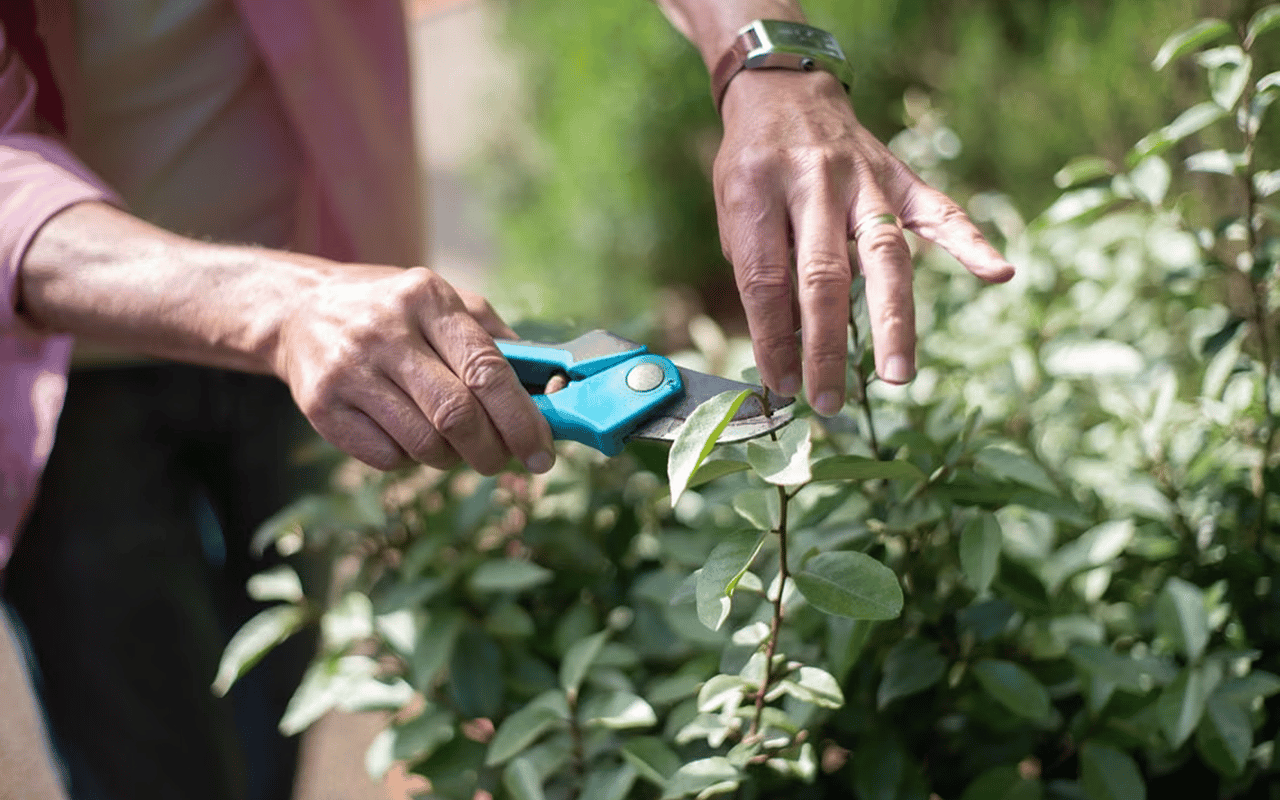
Elevation-Smart Yard Design for Monument, Colorado, Homes.

Your Guide to Mortgage Pre-Approval Before You Start the Home Search in Monument.

Design Details and Small Luxuries That Elevate Your Morning Routine in Monument.

Practical, Green Upgrades for Eco-Friendly Homes in Monument.
Having the right real estate team means having a team who are committed to helping you buy or sell your home with the highest level of expertise in your local market. This means also to help you in understanding each step of the buying or selling process.
Get In Touch With Our Team
155 2nd Street Monument, CO 80132