
Living in Flying Horse Colorado: What Daily Life Is Like
February 5, 2026
February 5, 2026
Picture your morning coffee with a view of Pikes Peak, a quick lap on neighborhood trails, and a smooth drive to work. If that sounds like your kind of routine, Flying Horse in northern Colorado Springs may be on your short list. You want a community that blends newer homes, on-site amenities, and practical commutes without giving up space or scenery. In this guide, you’ll learn how daily life here really works, including homes and HOAs, commute patterns, recreation, schools and services, and what to consider before you buy. Let’s dive in.
Flying Horse is a master-planned community in El Paso County built around a private golf and athletic club. Neighborhood design highlights landscaped entries, curving streets, and cul-de-sacs that preserve mountain views where the terrain allows. Many buyers choose Flying Horse for its suburban character, newer construction, and access to amenities like fitness, pools, dining, and trails.
You’ll see a mix of gated enclaves and open neighborhoods, all maintained to a high standard. Common areas and pocket parks are typically HOA cared-for, and many sections follow architectural and landscaping standards. The result is a cohesive, polished streetscape with an emphasis on quality and curb appeal.
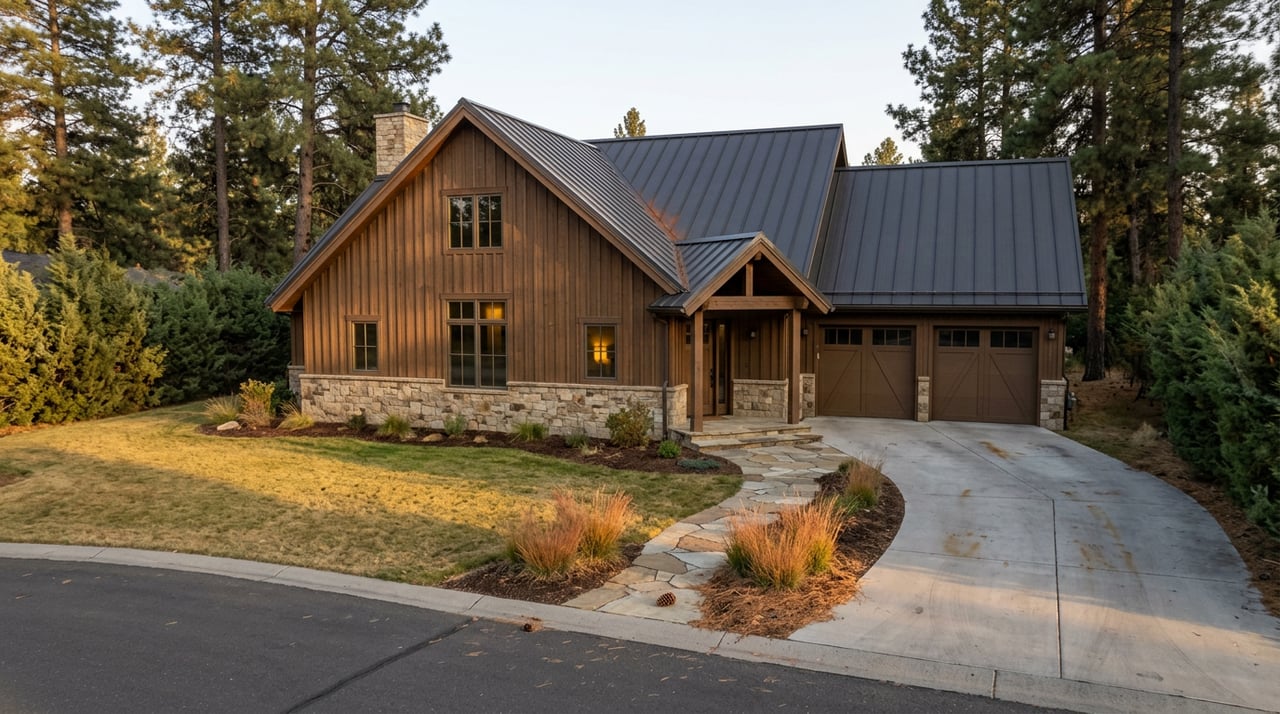
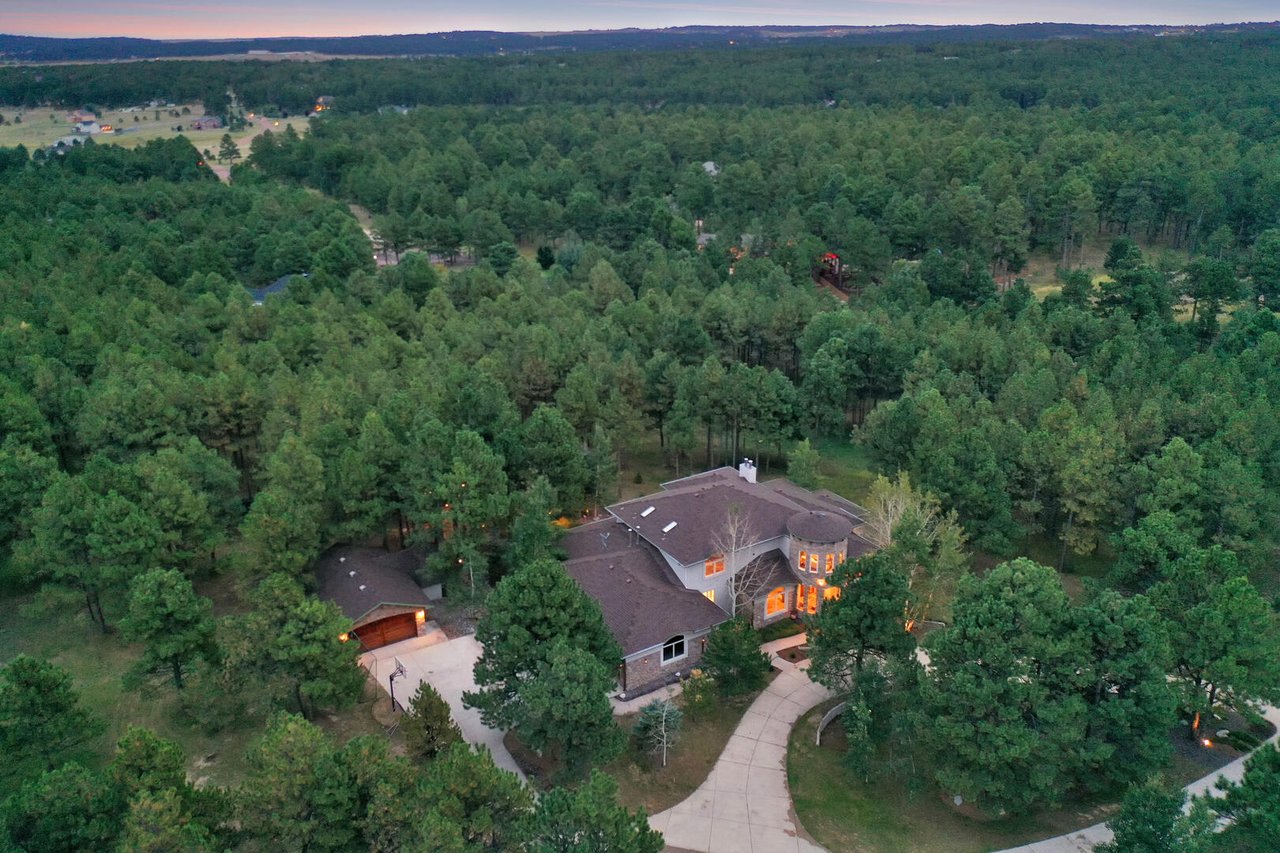
You’ll find custom and luxury single-family homes, often on larger lots that can reach half an acre or more near the perimeter or along the golf course. Expect multi-car garages and higher-end finishes geared toward indoor-outdoor living. Homes that back to the course or open space often enjoy longer rear yards and fewer immediate neighbors.
Many streets offer 3 to 5 bedroom homes on modest to larger suburban lots. These areas balance space with convenience and are popular with households who want newer construction and neighborhood amenities. Floor plans often emphasize open living areas and attached garages.
Some sections include townhomes and patio homes designed for lower-maintenance living. These options appeal to downsizers or anyone who values lock-and-leave convenience. Sub-associations may handle exterior care and landscaping in these pockets.
Lot placement often aims to capture Pikes Peak and foothill views. Interior lots follow a traditional suburban pattern with front yards and driveway-forward garages. If views are a priority, focus on course-adjacent or perimeter parcels and confirm any planned future development near the lot.
Flying Horse typically features a master HOA along with sub-association HOAs for specific neighborhoods or product types. You’ll want to review covenants, architectural guidelines, and landscaping standards before you make an offer. Sub-association dues and rules can vary by pocket and often cover different services.
The community is centered on a private golf and athletic club that generally offers golf, dining, fitness, pools, racquet sports, and social events. Membership is separate from any HOA dues and follows its own application, initiation, and annual fee structure. Always confirm current offerings and costs directly with the club before you budget.
Higher HOA presence means neighborhood standards are consistent and common areas are well-kept. In some gated sections, services like snow removal on private roads may be covered by the HOA or a maintenance district. Ask for a summary of what dues include so you know which tasks and costs remain your responsibility.
HOAs here often include limits on short-term rentals and set expectations for exterior changes or parking. If you plan to rent or make exterior updates later, review the recorded covenants and architectural review process in detail. Request recent HOA financials and meeting minutes to understand policies and any planned changes.
Many residents begin the day on neighborhood trails, with club fitness classes, or early tee times. School drop-offs are usually by car and timed with work commutes. The trail network supports walking and biking for recreation and short trips, though most daily errands still rely on a car.
This master-planned area includes pocket parks, landscaped open space, and multi-use paths that link subdivisions. Trails often connect to the broader northern Colorado Springs network, which makes weekend jogs and evening walks easy. Pools, sports courts, and meeting spaces are available in certain sections or through the private club, so confirm which amenities are HOA-accessible versus membership-based.
On-site dining is anchored by the club restaurant, which is great for casual meals and social events if you are a member. Broader options for groceries, coffee, and services sit within a short drive along the northern corridor. Most essentials are reachable in about 5 to 10 minutes by car, depending on your exact pocket.
Flying Horse sits along the northern Colorado Springs corridor with quick connections to major arterials. Residents commonly use Interquest Parkway, Woodmen Road, and the I-25 corridor to reach work, shopping, and regional destinations. Your exact route will depend on which pocket you call home and where you are headed.
Many residents report drives to central Colorado Springs that often fall in the 20 to 35 minute range, depending on time of day and destination. Trips to regional employers, including east and north complexes or military installations, are commonly in the 20 to 40 minute band. Drives to Denver can take 1.5 to 2 or more hours depending on traffic and weather, so plan accordingly and confirm current conditions for your schedule.
Public transit in this suburban area is limited and usually focused on major arterials rather than neighborhood streets. Most households rely on private vehicles for daily commuting and errands. Trails are excellent for recreation, but you will likely use a car for most shopping and appointments.
Attached garages are the norm, with 2 to 4 car configurations common in higher-end homes. HOAs may set rules for on-street parking and long-term vehicle storage. In gated sections, visitor parking can be limited, so review guest policies if you host frequently.
School attendance areas in northern Colorado Springs can vary by parcel. Use district boundary lookup tools and the Colorado Department of Education to verify the specific public schools that serve a given property. Private and charter options are also available across the metro, so factor distance and daily drive time into your planning.
Childcare centers and youth programs typically cluster along major corridors. Parents often coordinate sports, music, and camps across the region, which is straightforward with the area’s road network. If you have multiple drop-offs, test your route during the same time window you expect to travel.
Water, sewer, trash, and stormwater are handled by a mix of municipal providers and special districts. Snow removal on public roads is handled by the city or county, while private or gated roads are often the responsibility of the HOA or a maintenance district. Confirm utility providers, service levels, and any special district mill levies with property records before you finalize your budget.
You have access to hospital systems, urgent care, and emergency services within the Colorado Springs metro. For a clear picture of local incident trends, review official crime maps from local agencies rather than relying on anecdotes. If safety is a top concern, compare data by address and time period to make an informed decision.
Owning in a master-planned community means balancing quality-of-life benefits with layered costs. Here is what to include in your budget:
If you are comparing homes in different pockets, ask for a dues summary, association financials, and any special assessment history. This helps you understand total carrying costs and long-term upkeep expectations.
You may be a strong match if you want newer homes with a cohesive look, quick car access to shopping and services, and the option to join a private club. Households that value trails, pocket parks, and an organized neighborhood environment tend to thrive here. If you want mountain views and a suburban pace, Flying Horse checks a lot of boxes.
HOA rules can be detailed, which is positive for standards but limiting if you prefer fewer restrictions. Public transit is limited, so plan on driving for daily needs. If you are exploring golf-course or view homes, verify all planned development nearby to preserve the experience you want.
When you are ready to tour, focus on a handful of pockets that fit your budget and lifestyle, then walk the area at different times of day. Talk with neighbors you meet on the trail and make notes on traffic flow, noise, and sun exposure on each lot. A little legwork now makes move-in day feel just right.
If Flying Horse matches your goals, our team can help you compare pockets, review HOA details, and move fast on the right home. Connect with The Fletcher Team & Associates to receive exclusive listings and a free home valuation, and to map out your next steps with local guidance.

Designing a Productive Workspace That Matches the Way You Live in Monument, CO.

A Local’s Guide to Leafing Trails and Spots Near Monument.

A Map to the Trails Locals Love Hiking Near Monument.
Staging Tips That Turn Pikes Peak Views Into Offers for Your Monument Home.
Having the right real estate team means having a team who are committed to helping you buy or sell your home with the highest level of expertise in your local market. This means also to help you in understanding each step of the buying or selling process.
Get In Touch With Our Team
155 2nd Street Monument, CO 80132