
Buying A Home In Flying Horse: Step-By-Step Overview
February 12, 2026
February 12, 2026
Buying in Flying Horse can feel exciting and a little complex at the same time. You have luxury options, gated enclaves, a private club nearby, and several layers of HOA rules to sort through. If you want a smooth path to the right home, you need a plan that fits this neighborhood’s unique setup. This step-by-step guide walks you through financing, HOA and club questions, inspections, appraisals, and closing so you can move with confidence. Let’s dive in.
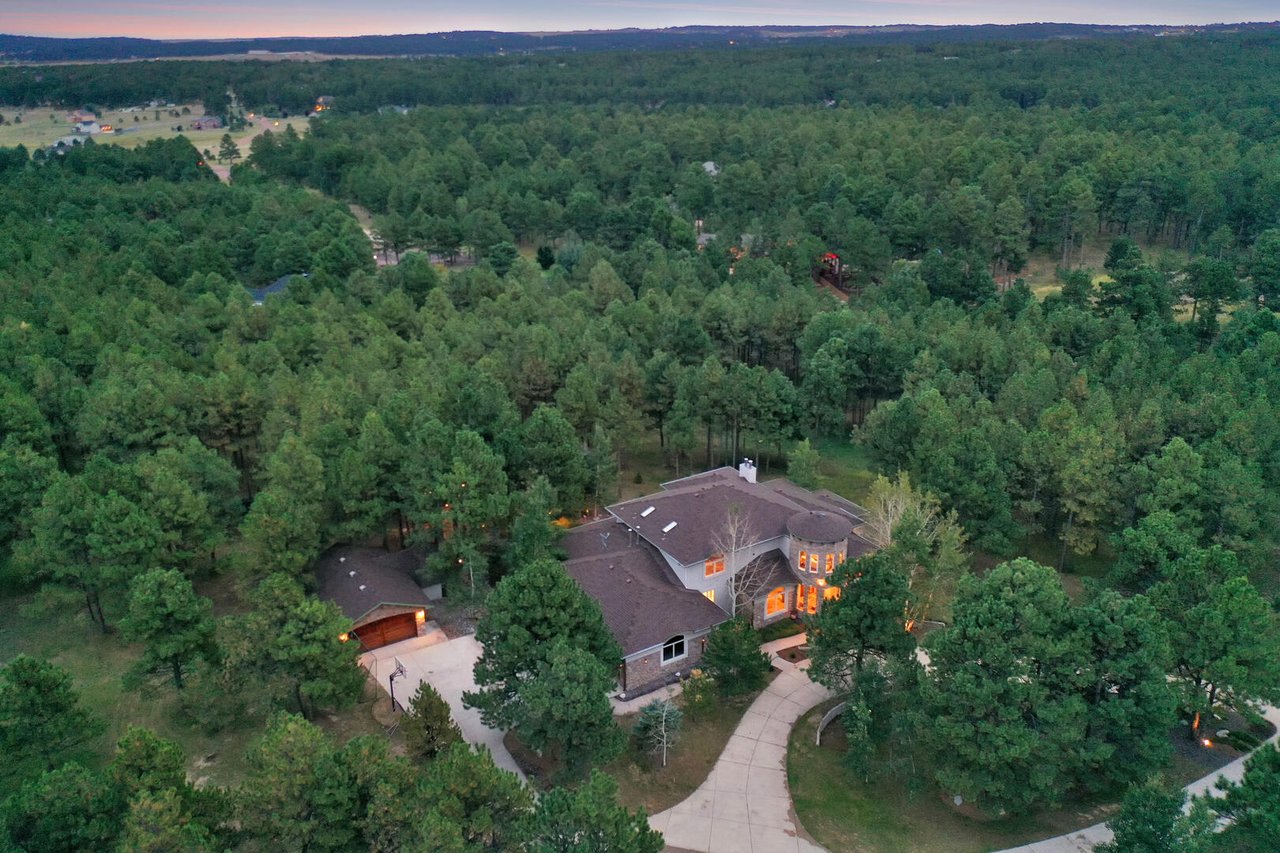
Flying Horse is a master-planned community in northern El Paso County and the Colorado Springs area. You will find single-family homes, executive and luxury properties, and pockets of newer construction. The private Flying Horse Club shapes much of the lifestyle, and some buyers choose the area for views, larger lots, and proximity to I-25 and nearby employers.
Because the area includes upper price tiers and new construction, your strategy may differ from other neighborhoods. Appraisals can be more nuanced, HOA and club rules vary, and special districts may impact your property taxes. That is why preparation pays off here.
Start with a written pre-approval from a lender who knows El Paso County and is comfortable with higher-priced, luxury, and master-planned-community homes. If your price exceeds conforming limits, be ready for jumbo loan underwriting and appraisal scrutiny.
If you are relocating or moving up, map out how proceeds from your current home, a bridge loan, or a sale contingency will fit your offer timeline. For new construction, confirm whether the builder requires a specific lender, different verification steps, or construction draws.
Look beyond broad neighborhood averages. Pull recent comparable sales and days-on-market trends for the specific Flying Horse enclave or block you prefer. Gated streets and executive-tier homes may trend differently than nearby sections.
If you plan exterior changes, review zoning, lot coverage rules, and design standards in the covenants. Confirm assigned schools, commute times, and local services like fire protection districts to match your daily needs.
Check who provides water and sewer. Most homes are on municipal or district systems, but fringe properties may differ. If a property uses a well or septic, factor in added inspections and permitting.
Request a full HOA resale packet and review:
Flying Horse often includes a master association and sub-associations. Confirm which association handles roads, landscaping, and amenity access.
Membership rules vary by property. Some homes offer preferential access. Others require separate membership with initiation and ongoing fees. Verify whether your purchase includes any rights, requires membership, or has no connection at all.
Master-planned communities often include metropolitan or special districts that fund infrastructure like water, roads, or parks. These appear as extra line items on the property tax bill and may include bonded debt. Always check the parcel’s tax record for district IDs and levies so you understand your long-term costs.
Confirm your water and sewer providers and whether trash, snow removal, and private road maintenance are part of the HOA or billed separately.
Tour homes that match your priorities, and compare resale options with active new-construction pockets. Builders may have lot premiums, completion timelines, preferred-lender rules, and warranty processes that differ from resale transactions. Ask about change-order policies and what is considered standard versus an upgrade.
Work with a local agent to price your offer using comps from the same enclave and home tier. Include financing, inspection, and appraisal contingencies. In competitive moments, consider stronger earnest money or cleaner timelines, but avoid waiving vital protections unless you fully understand the risk.
For new construction, negotiate allowances, finish packages, and any closing incentives, and document the timeline clearly.
A thorough due-diligence plan helps you spot issues early and negotiate repairs or credits.
Upper-tier and unique properties can have fewer direct comparables. Lenders and appraisers who know Flying Horse are valuable in this phase. If the appraisal lands below contract price, you and the seller can renegotiate, adjust price or cash to close, or have the lender reevaluate.
Order the title commitment early to spot liens, easements, or special assessments that affect ownership or future plans. During due diligence, review the HOA packet for budgets, reserves, meeting minutes, and any pending or planned assessments. If you plan exterior changes, verify architectural approval requirements and timelines.
Use the final walkthrough to confirm repairs and ensure the home is in the same condition as when you went under contract. In Colorado, closings are commonly handled by title companies or escrow agents. Review closing costs, transfer fees, recording fees, and prorations in advance.
After closing, make sure utilities are transferred, the HOA has your contact details, and any private-club transfers or new memberships are set up.
When you combine smart financing, careful HOA and club review, and targeted inspections, you set yourself up for a confident purchase in Flying Horse. Focus on the enclave that fits your lifestyle, confirm your true monthly cost, and protect your interests with the right contingencies and due diligence. If you would like local guidance tailored to your goals, connect with The Fletcher Team & Associates for neighborhood insight and a clear plan from tour to closing.

Your Guide to Maintaining an Active Lifestyle in Monument, Colorado.

The Key Signs to Look Out For.

A Practical Guide to Home Remodeling in Monument, Colorado, That Adds Value and Longevity.

What Every Buyer Should Know About Getting a Home Inspection in Monument, Colorado.

A Local's Guide to Home Decor in Monument, Colorado, That Works With the Landscape, Not Against It.
Having the right real estate team means having a team who are committed to helping you buy or sell your home with the highest level of expertise in your local market. This means also to help you in understanding each step of the buying or selling process.
Get In Touch With Our Team
155 2nd Street Monument, CO 80132