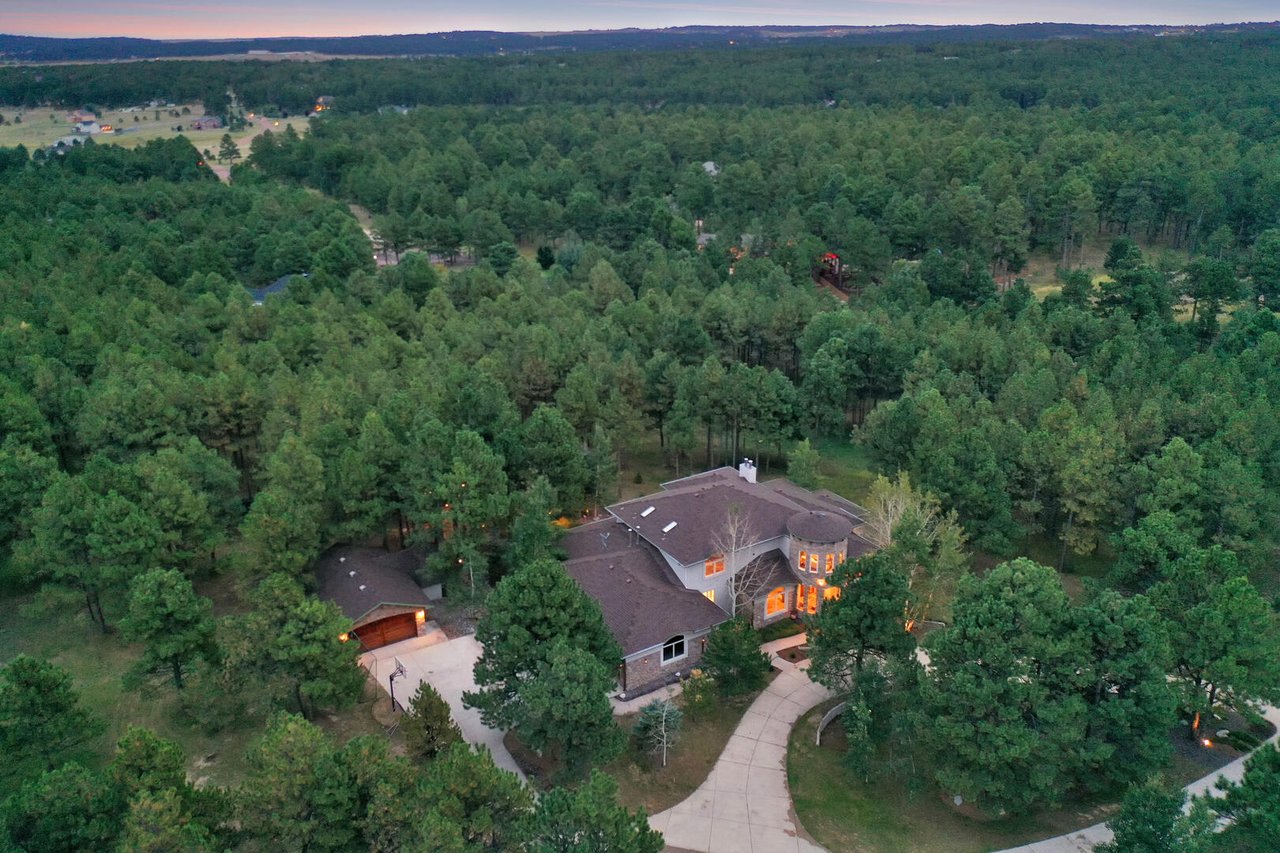
Trying to choose between the lock-and-leave ease of a townhome and the space of a detached home in Gleneagle? You are not alone. Many buyers in northern Colorado Springs weigh price, HOA rules, yard needs, and long-term value before they move. In this guide, you will learn how each option fits the Gleneagle lifestyle, what costs to expect, and how to set yourself up for a confident decision. Let’s dive in.
Townhome and single-family basics
Townhome
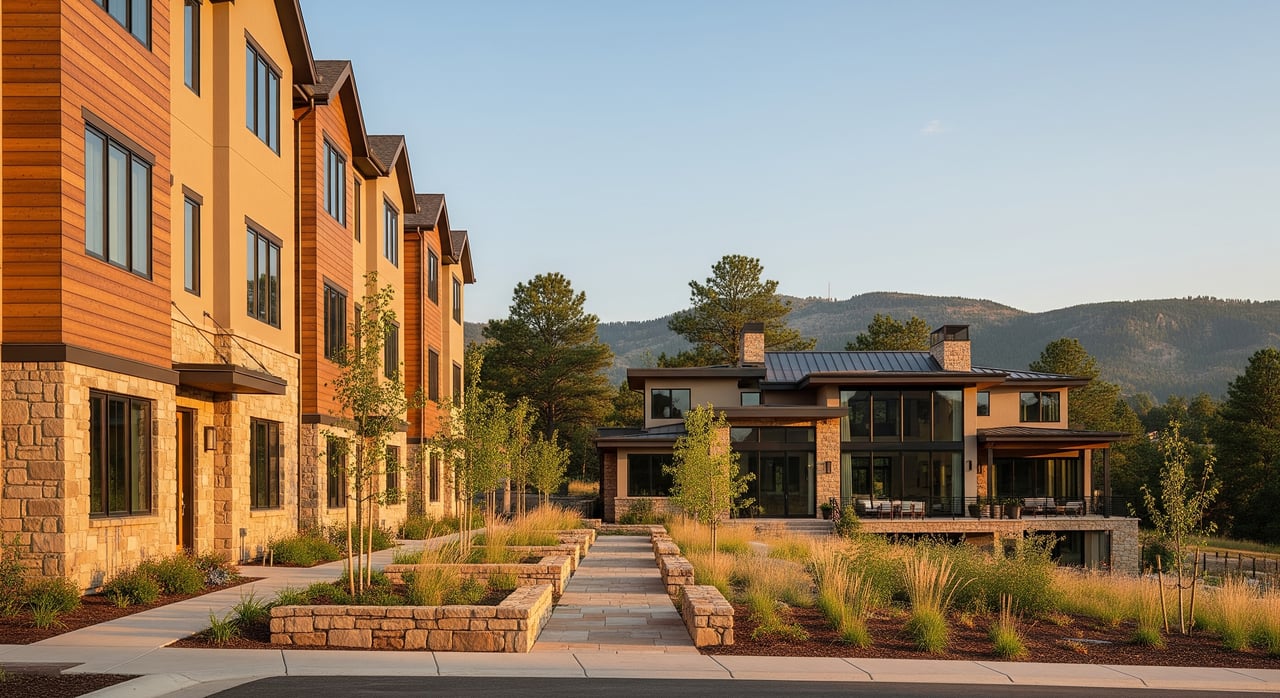
- Attached home that shares one or more walls with neighbors.
- Often part of a common interest community with an HOA that may cover exterior maintenance, landscaping, and shared amenities.
- May be fee simple or part of a condominium structure. The distinction affects insurance and maintenance responsibilities.
Single-family home
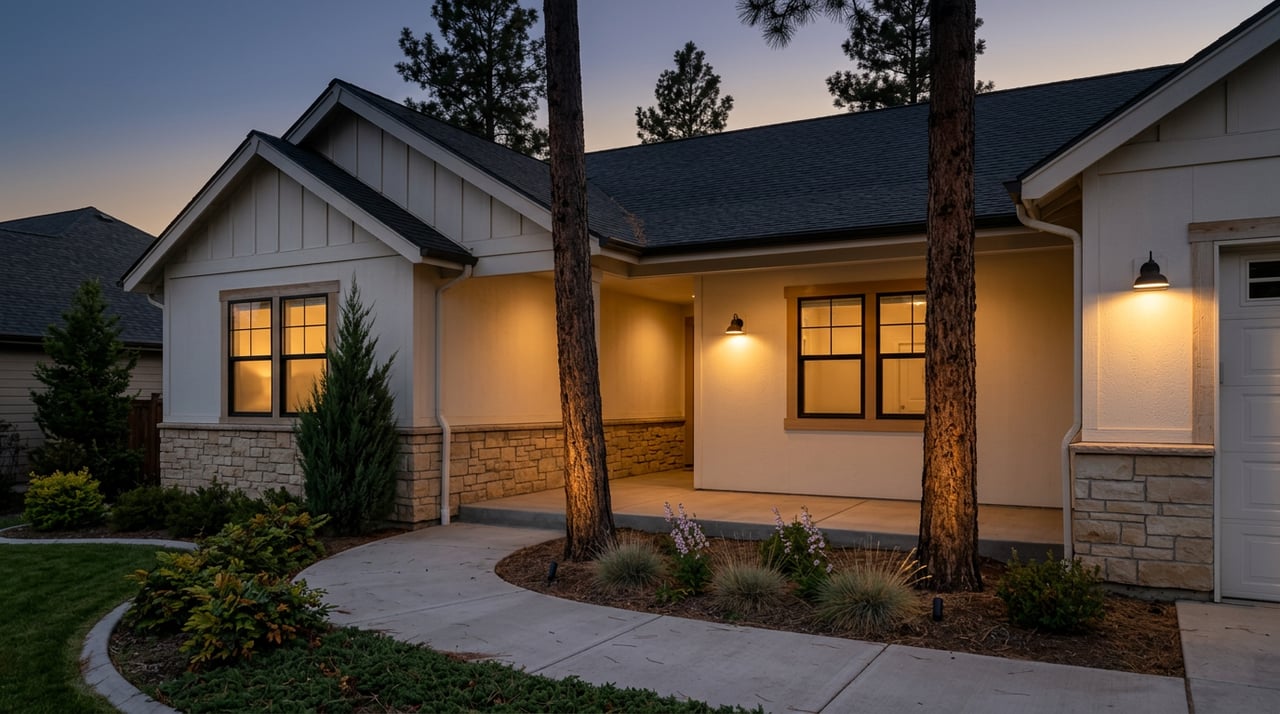
- Detached structure on a private lot.
- You manage your own exterior, yard, and many utilities unless a neighborhood HOA provides services or rules.
- Typically offers more separation, parking, and outdoor space.
In Gleneagle, you will find a mix of home ages and styles. Inventory and product eras vary by subdivision. Check recent listings and local MLS snapshots for what is active right now.
Costs and budgeting in Gleneagle
Gleneagle sits in El Paso County within the Colorado Springs metro. The gap between a townhome and a single-family home often starts with the purchase price, then shows up each month in dues and upkeep.
Purchase price and total monthly cost
- Townhomes generally offer a lower entry price compared to detached homes, which can help first-time buyers and downsizers.
- For a fair comparison, look at the full monthly picture: principal and interest, property taxes, insurance, HOA dues, utilities, and expected maintenance.
- Current median prices and days on market change often. Pull the latest numbers from the Pikes Peak area MLS for a clear view of today’s spread in Gleneagle.
HOA dues and special assessments
- Most townhomes have HOA dues. These can cover exterior maintenance, landscaping, snow removal, and amenities. Some HOAs include portions of insurance or utilities.
- HOAs can levy special assessments for major projects. Review budgets, reserve studies, and meeting minutes to understand risk and funding levels.
- Some single-family neighborhoods also have HOAs. Confirm what the HOA regulates and what it covers before you buy.
Property taxes and insurance
- Property taxes are based on assessed value and local mill levies. Check parcel-level details with the El Paso County Assessor.
- Insurance differs by ownership type:
- Single-family homes typically use an HO-3 policy that covers the structure and your property responsibilities.
- Townhome insurance depends on the HOA’s master policy. If it is a condo-style master policy, you may only need an HO-6 walls-in policy. If the townhome is fee simple with limited HOA coverage, you may need broader dwelling coverage. Always verify the master policy scope and limits.
Utilities and maintenance
- Single-family owners usually pay individually for landscaping, exterior repairs, roof, driveway, and snow removal.
- Townhome owners often see some of these costs bundled into HOA dues. In El Paso County, snow management matters. Confirm who handles sidewalks, driveways, and roofs, especially during heavy winter cycles.
Lifestyle fit in Gleneagle
You will feel the difference between an attached and a detached home day to day. Consider how you like to live and how much time you want to spend on upkeep.
Privacy and noise
- Single-family homes provide more separation from neighbors, which can reduce sound transfer and increase privacy.
- Townhomes may have shared walls. Construction quality and party wall design influence sound transmission. Ask your inspector about sound and fire separation details.
Outdoor space and maintenance
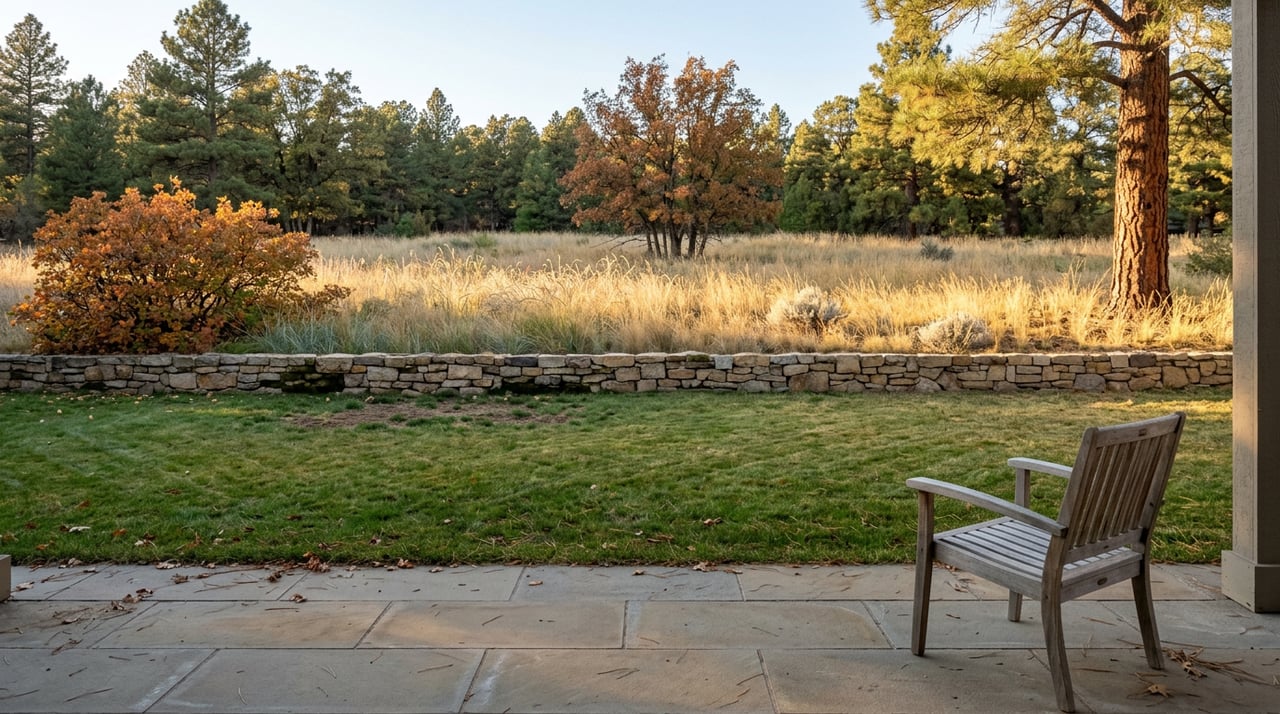
- Single-family homes often include private yards for pets, gardening, and play. You handle mowing, irrigation, and seasonal upkeep.
- Townhomes usually offer smaller patios or balconies and sometimes shared green space. Exterior care may be handled by the HOA, which reduces weekend chores.
Convenience and amenities
- Townhomes are often near community features and may include amenities such as trails, playgrounds, or small parks, depending on the neighborhood.
- Single-family areas may have fewer shared amenities but offer more flexibility for outdoor projects on your own lot.
Financing, appraisal, and inspections
The way you finance and evaluate the property will vary by housing type. Getting these details right helps you avoid roadblocks later.
Mortgage program considerations
- Conventional, FHA, VA, and USDA programs treat attached housing differently.
- Condominium-style projects may require specific project approval. Fee simple townhomes and PUDs are often simpler for underwriting.
- Check with your lender early. If you use FHA or VA, confirm whether the project needs approval and if it already qualifies.
Appraisal and comps
- Appraisers look for nearby comparable sales. Townhome communities with similar recent sales can simplify the process.
- Unique single-family homes may have fewer direct comps. Appraisers will adjust for lot size, views, upgrades, and condition.
Inspection priorities
- For townhomes: focus on shared systems and elements. Ask about the roof, gutters, foundations, drainage, and the condition of party walls. Review HOA maintenance records for past and upcoming work.
- For single-family homes: review drainage grading, roof life, HVAC condition, and any outbuildings or fences. If applicable, check for private systems like septic.
HOA rules and legal notes
HOA documents shape daily life and costs. Take time to understand what you can and cannot do before you commit.
CC&Rs, bylaws, and rules
- Review CC&Rs, bylaws, and architectural guidelines. Confirm processes for exterior changes, paint colors, and landscaping.
- Look at meeting minutes for hints on issues that may prompt special assessments or rule changes.
- Confirm rental policies. Some communities limit short-term rentals or cap the percentage of leased units.
Insurance, common elements, and responsibilities
- Understand what the master policy covers, such as roofs, siding, and liability. Identify what is a common element versus a limited common element that you maintain.
- Verify snow removal responsibility for sidewalks and driveways. Ask for written confirmation in HOA documents.
Colorado consumer protections
- Colorado regulates common interest communities through state statutes. Ask your agent to help you interpret how those rules apply in Gleneagle associations.
Resale outlook in Gleneagle
When you buy, think about who will buy from you later. Different property types attract different buyer pools.
Buyer pools and time on market
- Single-family homes often draw broad demand due to land and privacy.
- Townhomes appeal to first-time buyers, commuters, and downsizers who value affordability and low maintenance.
- Inventory and days on market change by month. Use local MLS snapshots to guide pricing and timing when you are ready to sell.
What influences appreciation
- Land scarcity, commuting access, neighborhood amenities, and proximity to local employment centers can drive value.
- HOA health matters. Strong reserves and clear maintenance plans can support buyer confidence and resale.
- Two similar homes can perform differently based on HOA rules, dues levels, and flexibility on rentals. Review these factors with your agent before you buy.
How to decide: A simple checklist
Use this checklist to compare a Gleneagle townhome and a single-family home side by side.
- Budget clarity
- Compare total monthly cost: mortgage, taxes, insurance, HOA dues, utilities, and average maintenance.
- Ask your lender to model scenarios for each property type.
- Maintenance preference
- Townhome: less exterior work, potential HOA coverage for roof and landscaping.
- Single-family: more control and yard space, higher personal maintenance.
- Privacy and space
- Townhome: shared walls, smaller outdoor areas.
- Single-family: detached structure, larger lot.
- HOA rules and flexibility
- Review CC&Rs for rentals, pets, parking, exterior changes, and signage.
- Confirm project approval if using FHA or VA financing.
- Insurance and risk
- Verify master policy type and coverage for townhomes.
- Align your personal policy to fill any coverage gaps.
- Resale goals
- Consider who your likely future buyer will be and how HOA rules or lot size may affect demand.
For buyers: What to review before you offer
- Recent comparable sales for the same property type in the same area within the last 3 to 6 months.
- HOA resale package: CC&Rs, bylaws, budget, reserve study, insurance declarations, and meeting minutes.
- Copies of recent utility bills and HOA fee history, including special assessments in the last 5 years.
- Title report, plats, and easement disclosures. Ask about drainage and utility easements.
- Inspection focus tailored to the property type.
- Mortgage and condo project approval needs, especially for FHA or VA loans.
For sellers in Gleneagle: Prep to win the market
- Price using nearby comparable sales for your property type, adjusted for lot size, condition, and HOA amenities.
- Gather HOA documents, warranties, recent utility bills, and maintenance records to build buyer confidence.
- Confirm HOA showing and signage rules before you list.
- Disclose any rental caps, pending litigation, or planned assessments. Buyers will find them during due diligence.
- Stage and present with clarity on monthly costs, HOA coverage, and recent improvements. Transparency helps your home stand out.
Putting it all together
If you want lower maintenance and a predictable monthly budget, a townhome in Gleneagle may fit well. If you want more privacy, a larger yard, and flexibility to customize, a single-family home could be the better match. The right choice comes down to your budget, daily life, and long-term plans. A side-by-side comparison of costs, rules, and responsibilities usually makes the answer clear.
When you are ready to compare real homes in Gleneagle and run the numbers, connect with The Fletcher Team & Associates for local guidance and real-time MLS insight.
FAQs
Are HOA dues included in my mortgage payment in Gleneagle?
- No. HOA dues are paid separately from your mortgage. Include them in your total monthly budget.
Can I rent out a Gleneagle townhome?
- Possibly. Many HOAs regulate rentals or cap the number of leased units. Check CC&Rs and HOA rules before you buy or lease.
Is an FHA or VA loan harder for a townhome than a house?
- It can be for condominium-style projects if they are not approved. Ask your lender about project approval and options for fee simple townhomes.
Who handles snow removal at a townhome in El Paso County?
- It depends on the HOA. Some cover sidewalks, driveways, and roofs. Confirm responsibilities in the HOA documents.
What insurance do I need for a Gleneagle townhome?
- It depends on the HOA master policy. You may need an HO-6 walls-in policy or broader dwelling coverage if the HOA does not insure the exterior. Verify with the HOA and your insurance agent.
What should sellers provide buyers in an HOA community?
- Provide CC&Rs, bylaws, budgets, reserve studies, insurance certificates, recent utility bills, maintenance records, and any notices of pending assessments or litigation.