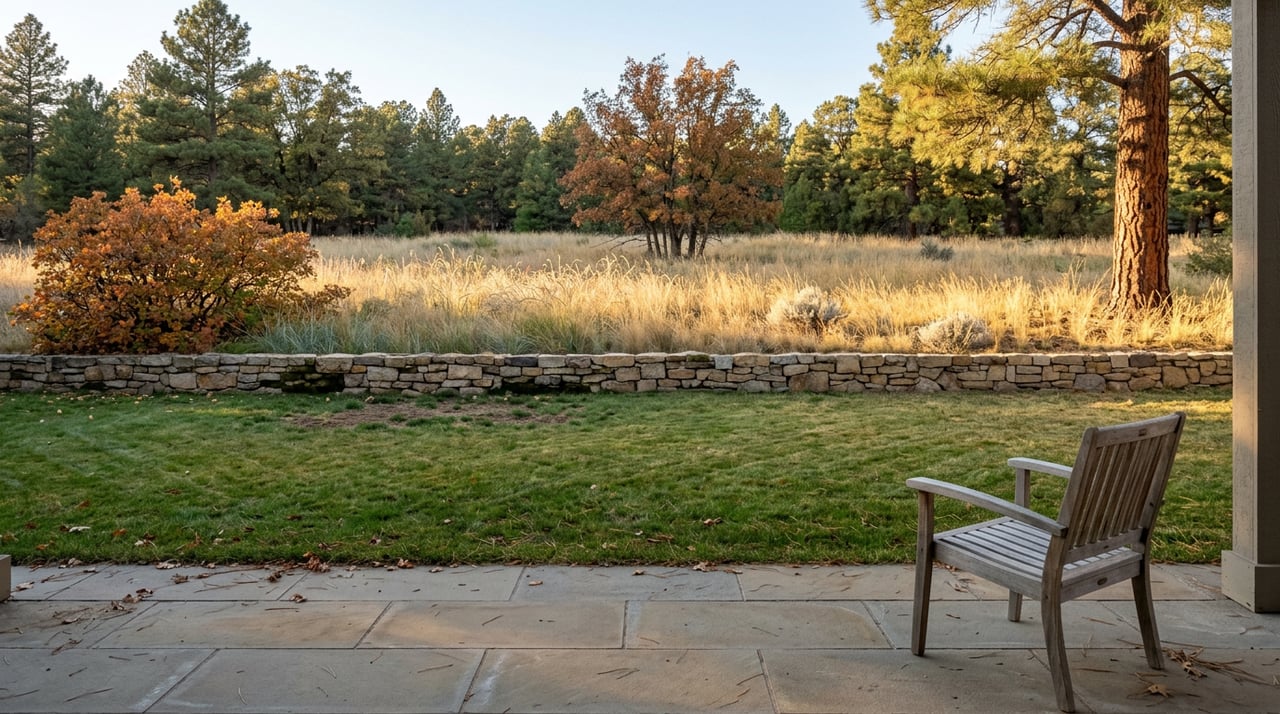
The Country Club Community With No Country Club
August 20, 2026
August 20, 2026
Drive through Gleneagle and you will eventually notice the paperwork does not match the ground. The neighborhood still describes itself as a Planned Country Club Community, a phrase baked into HOA documents and decades of real estate listings. There is no clubhouse. There are no fairways. If you ask a longtime neighbor where the golf course went, you will usually get a shrug and a story about houses going up where the third hole used to be.
That gap between name and reality is not a curiosity. It is the whole story of how Gleneagle actually works now, and it explains something the generic "things to do" post never gets into: this is a neighborhood that replaced an institution with a habit of doing things itself.
The golf course came first. Built in 1972 and designed by Frank Hummel, it was the centerpiece of what was then called the Donala residential development, an 800-acre project north of Colorado Springs that later took the Gleneagle name. For nearly 40 years it anchored the community the way a country club is supposed to: a semi-private club with a pool, a restaurant called the Palms, and banquet facilities for weddings and parties.
Then the math stopped working. The club closed the golf course on November 1, 2013, citing a declining number of golfers, falling revenue, and rising costs for water and maintenance. The pool and the Palms Restaurant stayed open for a while after the fairways went quiet, but the writing was on the wall. At a Gleneagle Civic Association meeting that October, about 45 residents showed up wanting to know what would happen to the land, and nobody could give them a straight answer.
That uncertainty lasted almost two years. In 2015, a Denver-area company called G&S Development bought the roughly 130-acre course. Instead of building out the entire footprint, the company built 56 single-family homes and handed back close to 95 acres of open space to the Gleneagle Civic Association, which still maintains it today. Roger Louden, the association's longtime vice president, has lived along what used to be the third fairway since 1991 and has never once played a round there. That is not irony. That is the point. The golf course stopped being a golf course years before it stopped being called one.
The open space you walk your dog through today is not a county park like Fox Run Regional Park a few minutes away. It is community-held land, paid for and maintained by the same civic association that fought to get it in the first place. If you have ever wondered why some of Gleneagle's green space feels a little less manicured than a public park and a little more like a neighborhood project, that is because it is one.
A country club used to give a neighborhood its social calendar. Gleneagle's replacement calendar did not come from a developer or a management company. It came from two residents who happen to sell real estate.
The Gleneagle Spirit 5K returns on September 12, 2026, organized by neighborhood Realtors Blair Dinkins and Mark Rudolph with help from volunteer neighbors. The race starts and ends at Antelope Trails Elementary, and the course is chip-timed by Eclectic Edge Racing, which is a level of polish you would not expect from something built entirely on volunteer labor. The route has earned its own piece of local vocabulary: the climb on Copperfield Drive near the start is known around the neighborhood as Heartbreak Hill, and it shows up in race chatter every year regardless of who is running.
The morning breaks down like this:
Proceeds have traditionally supported the Mt. Carmel Veterans Service Center in Colorado Springs, which gives the event a purpose beyond a Saturday morning workout. No pets are allowed on the course.
The interesting part is not the race itself. Plenty of neighborhoods have a fun run. The interesting part is who runs it: no clubhouse writing the checks, no management company booking course marshals. Two residents who happen to sell real estate built a chip-timed 5K from scratch and have kept it going for years. That is the same pattern as the open space. When the institution disappeared, the residents did not wait for a replacement. They built one.
The Palms Restaurant did not survive the property's turn into a residential subdivision. What replaced it was not a single flagship but a strip of independent, mostly family-run spots along Gleneagle Drive and the surrounding corridor, none of them trying to be the new country club dining room.
Reds Sunset Grill and Mezcalita both draw the kind of loyal, repeat crowd that only builds up over years, not marketing budgets. White Lotus Cafe has become the go-to for a weekend brunch that does not require a drive downtown. Tao's Oriental Cuisine sits right on Gleneagle Drive and has been serving the neighborhood long enough that most regulars order without opening a menu. Bourbon Brothers Smokehouse and Tavern and The Brass Tap round out the list for anyone who wants a beer and a game on in the background, and Gleneagle Liquors down the street has been the neighborhood's stop for the last bottle before the party for years.
None of these are chains chasing foot traffic off the interstate. They are the kind of places that exist because enough people who live within a few minutes of them decided to keep showing up. Same story, different storefront: no institution built this for the neighborhood. The neighborhood built it for itself.
Every neighborhood profile you will find on Gleneagle mentions Fox Run Regional Park, the schools, and the highway access. All of that is true and none of it explains why Gleneagle feels the way it does to the people who actually live here. The feeling comes from the fact that when the golf course closed and took the neighborhood's built-in social infrastructure with it, nobody imported a replacement. The civic association negotiated for the open space instead of watching it go fallow. Two agents built a race instead of waiting for a developer to sponsor one. A handful of independent restaurants filled in where a clubhouse dining room used to be.
If you already live here, none of this changes your Saturday. But it changes how you read the phrase "Planned Country Club Community" the next time it shows up on HOA paperwork, or how you watch Copperfield Drive fill up with runners every September who call a residential hill by a nickname. The name on the sign is a leftover. The habit of building things locally is the actual identity.
If you are curious about how Gleneagle's history shapes what a home here is worth today, or you just want a straight answer about the neighborhood from someone who tracks it closely, The Fletcher Team is happy to talk it through. Receive Exclusive Listings & Free Home Valuation whenever you are ready. It's all about you.
A Confident Buyer's Guide to Roof and Foundation Health in Monument, Colorado, Real Estate.

Designing a Productive Workspace That Matches the Way You Live in Monument, CO.
A Local’s Guide to Leafing Trails and Spots Near Monument.
A Map to the Trails Locals Love Hiking Near Monument.
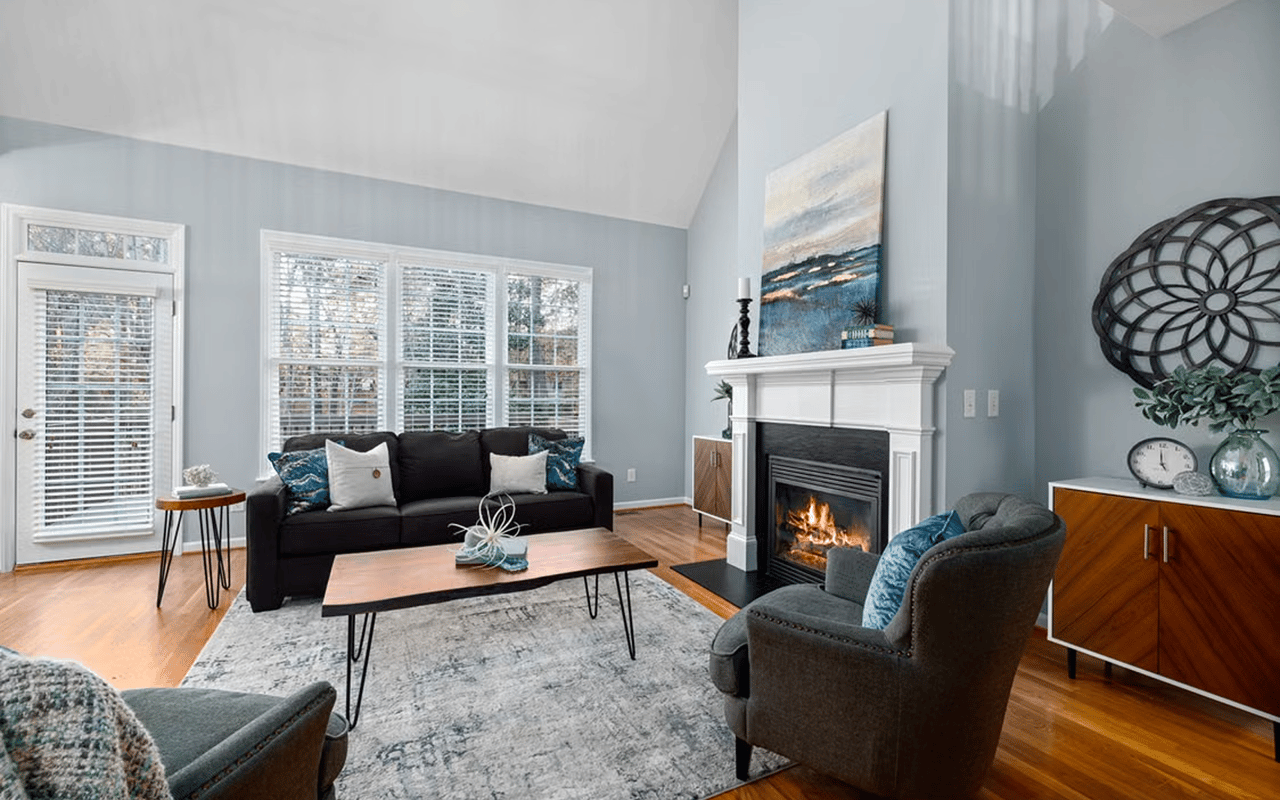
Staging Tips That Turn Pikes Peak Views Into Offers for Your Monument Home.
Having the right real estate team means having a team who are committed to helping you buy or sell your home with the highest level of expertise in your local market. This means also to help you in understanding each step of the buying or selling process.
Get In Touch With Our Team
155 2nd Street Monument, CO 80132