By The Fletcher Team & Associates
At roughly 7,000 feet along the Palmer Divide, your yard plays by a different set of rules than the ones you might have known at lower elevations. The growing season runs short, the sun is intense, and afternoon winds sweep down off the Front Range with force.
The good news is that high-altitude landscaping in Monument can be beautiful, low-maintenance, and rooted in the character of the Tri-Lakes area. Native ponderosa pines, sculptural boulders, and drought-tolerant plantings feel right at home here. Whether you just bought a newer build or you are refreshing an established lot backing up to open space, the right plan lets your outdoor space work with the terrain.
Key Takeaways
- High-altitude yards in Monument deal with a short growing season, intense sun, and strong Palmer Divide winds, so plant selection matters more than in milder climates.
- Native and drought-tolerant plants, including blue grama grass, penstemon, and rabbitbrush, thrive with less water and less fuss.
- Boulders, ponderosa pines, and defensible-space planning give Monument homes a natural, elevation-appropriate look.
What Makes Landscaping in Monument Different from Lower-Elevation Yards?
Landscaping in Monument differs because of high altitude, a shorter frost-free window, intense UV exposure, and steady winds along the Palmer Divide. Sitting near the highest point between Denver and Colorado Springs, Monument sees late spring frosts and early fall cold snaps that shrink your planting calendar. Choosing plants and materials suited to that rhythm saves you time, money, and replacements.
The soil around Monument tends toward sandy, gravelly, and fast-draining, which many native species love and many imported ornamentals dislike. Wind and sun pull moisture from leaves quickly, so plants that hold water in their tissue tend to outperform thirsty alternatives.
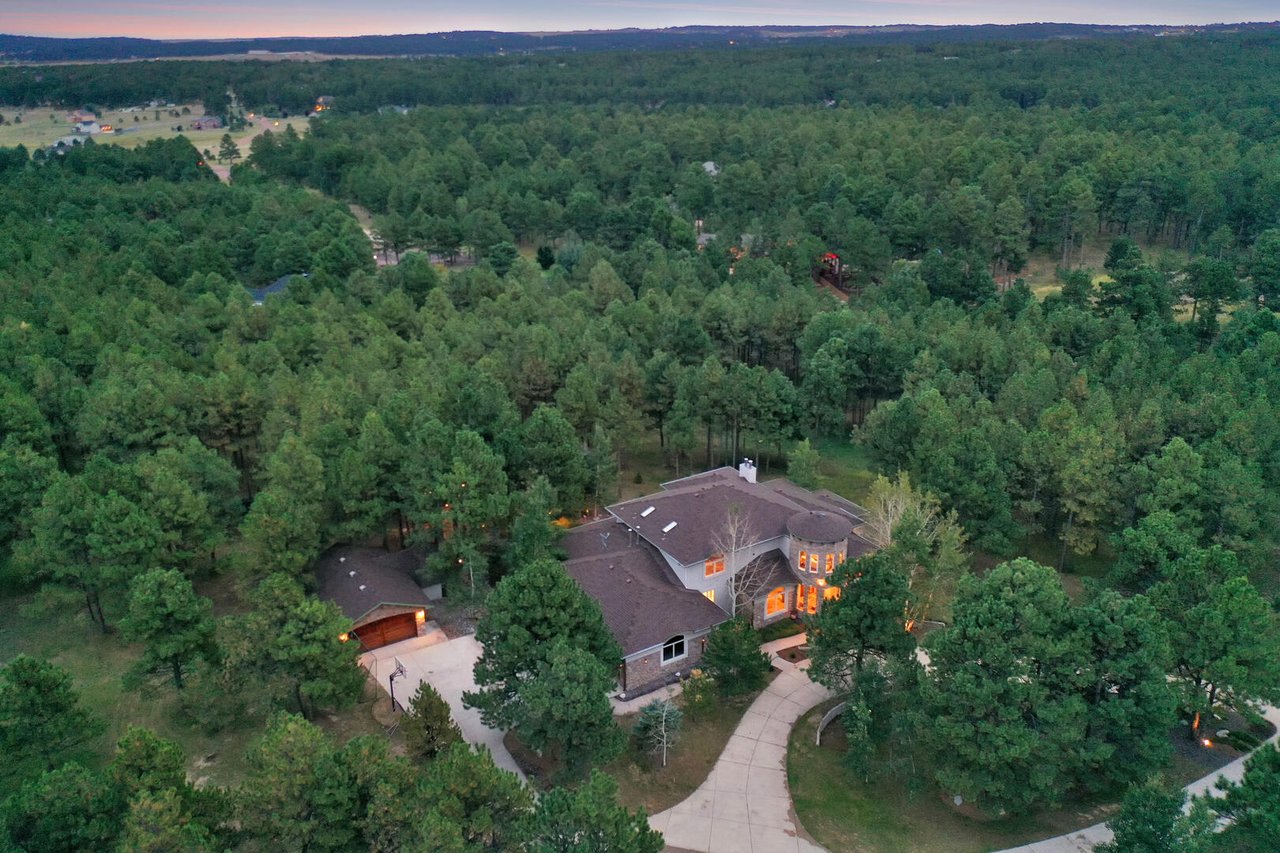
Because so many Monument homes back up to Pike National Forest or open meadow, your landscape often becomes a bridge between manicured space and wild terrain.
What To Account For at This Elevation
- The frost-free season is short, so hardy perennials outperform tender annuals.
- Sandy, well-draining soil favors native and xeric plants over moisture-lovers.
- Wind exposure calls for sturdy, low-profile plantings and wind-tolerant trees.
- Intense mountain sun means UV-resistant materials last longer than budget options.
Which Plants Thrive in High-Altitude Monument Yards?
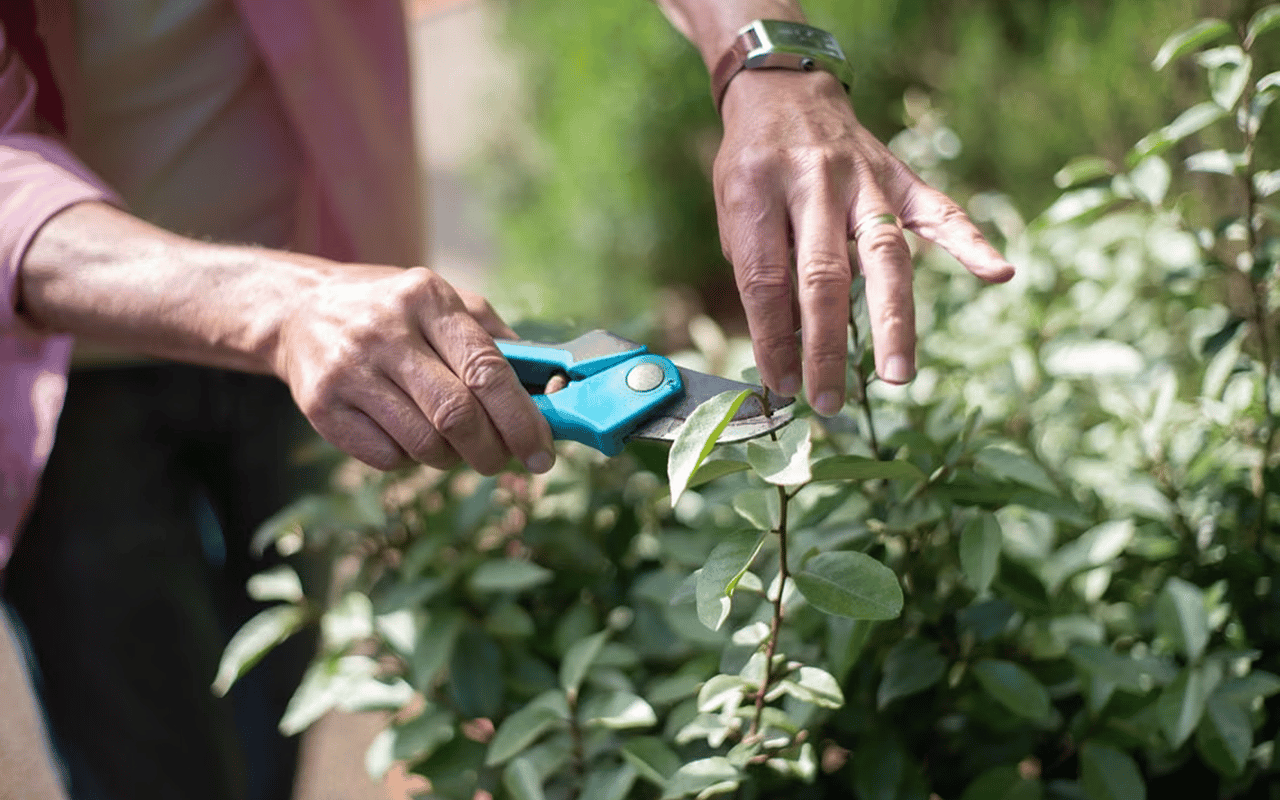
The plants that grow best in high-altitude yards like Monument include native, drought-tolerant, and deer-resistant species, such as penstemon, Russian sage, blue mist spirea, yarrow, and native grasses. These varieties handle cold nights, dry spells, and browsing wildlife with ease, which makes them ideal anchors for a low-maintenance design. They also bloom in staggered waves, so your yard shows color across the season.
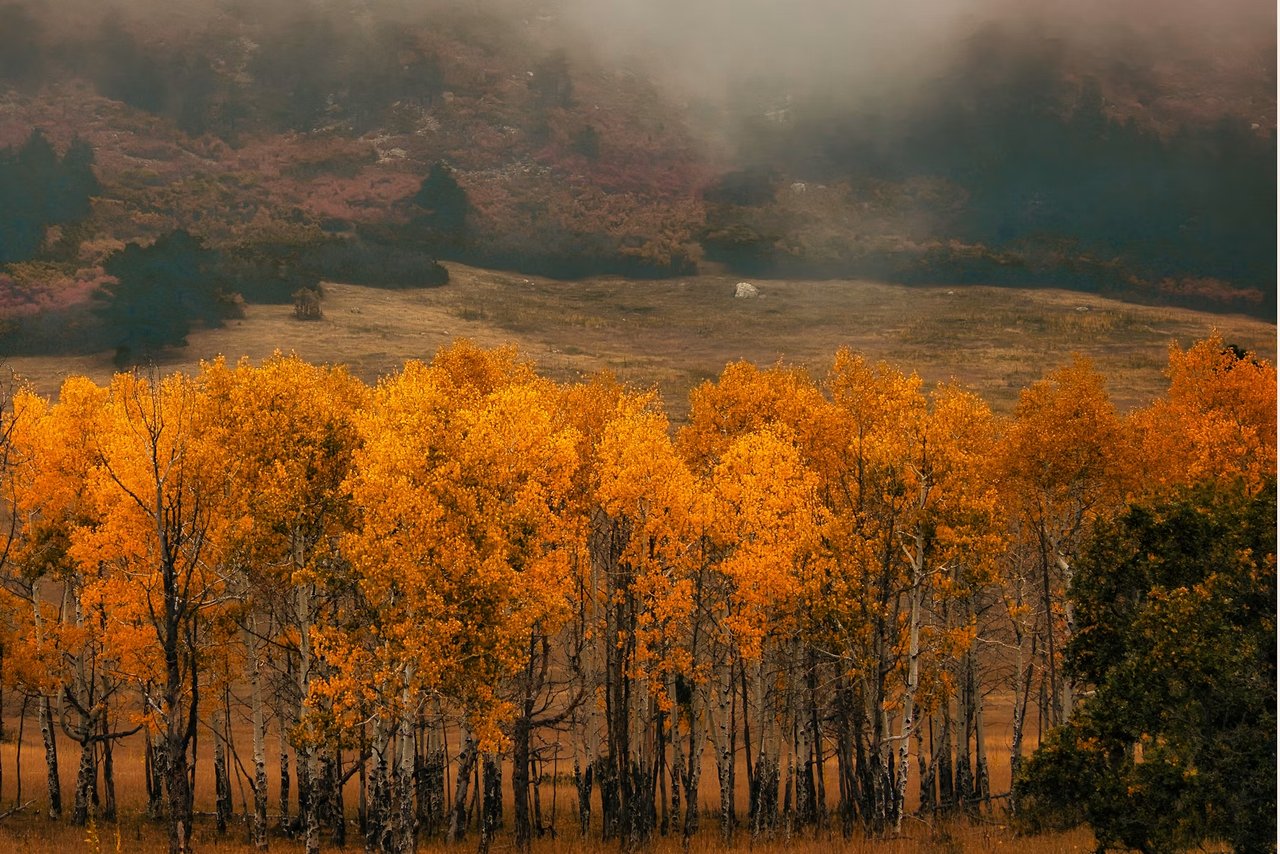
For structure and evergreen presence, ponderosa pine, Colorado blue spruce, and Rocky Mountain juniper belong in Monument landscapes. Quaking aspen and Gambel oak add movement and fall color, while shrubs like rabbitbrush, potentilla, and three-leaf sumac fill space without demanding constant water. Layering these gives your Monument home depth and a sense of permanence.
Reliable Picks for the Tri-Lakes Area
- Penstemon and salvia deliver bright, upright blooms that pollinators love.
- Blue grama and buffalo grass form tough, low-water native lawns and meadows.
- Russian sage and catmint offer silvery foliage that deer usually avoid.
- Rocky Mountain juniper and potentilla hold their shape through wind and cold.
How Do You Xeriscape a Yard in Monument?
To xeriscape your yard in Monument, group plants by water need, replace thirsty turf with native beds and decomposed granite, and install efficient drip irrigation. This approach fits the region's dry climate and rewards you with lower water bills and less weekend upkeep. Xeriscaping does not mean rock and cactus alone; it means smart, water-wise design.
Start by mapping your yard into zones based on sun, slope, and how often each area truly needs water. Cluster the highest-water plants near the house where you notice them daily, then transition to tougher natives at the edges. Mulch and decomposed granite hold moisture in the soil, so what water you do apply goes further.
Efficient irrigation ties it all together on Monument properties. Drip lines deliver water straight to the root zone with minimal loss to wind and evaporation, which matters at this elevation.
Water-Wise Landscaping
- Group plantings into water zones before you dig.
- Swap large turf areas for native grasses, beds, or permeable gravel paths.
- Add three inches of mulch or decomposed granite to lock in soil moisture.
- Install drip irrigation on a timer set for early morning watering.
What Hardscaping and Design Ideas Work Best for Monument Homes?
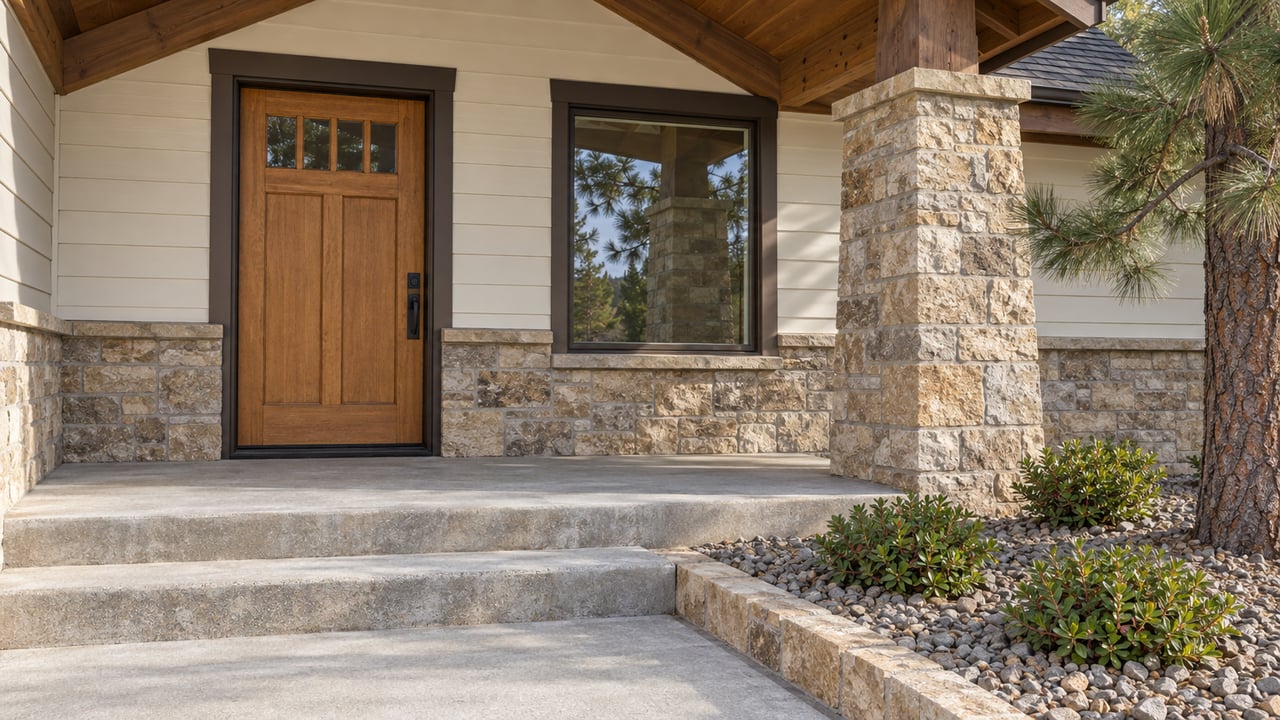
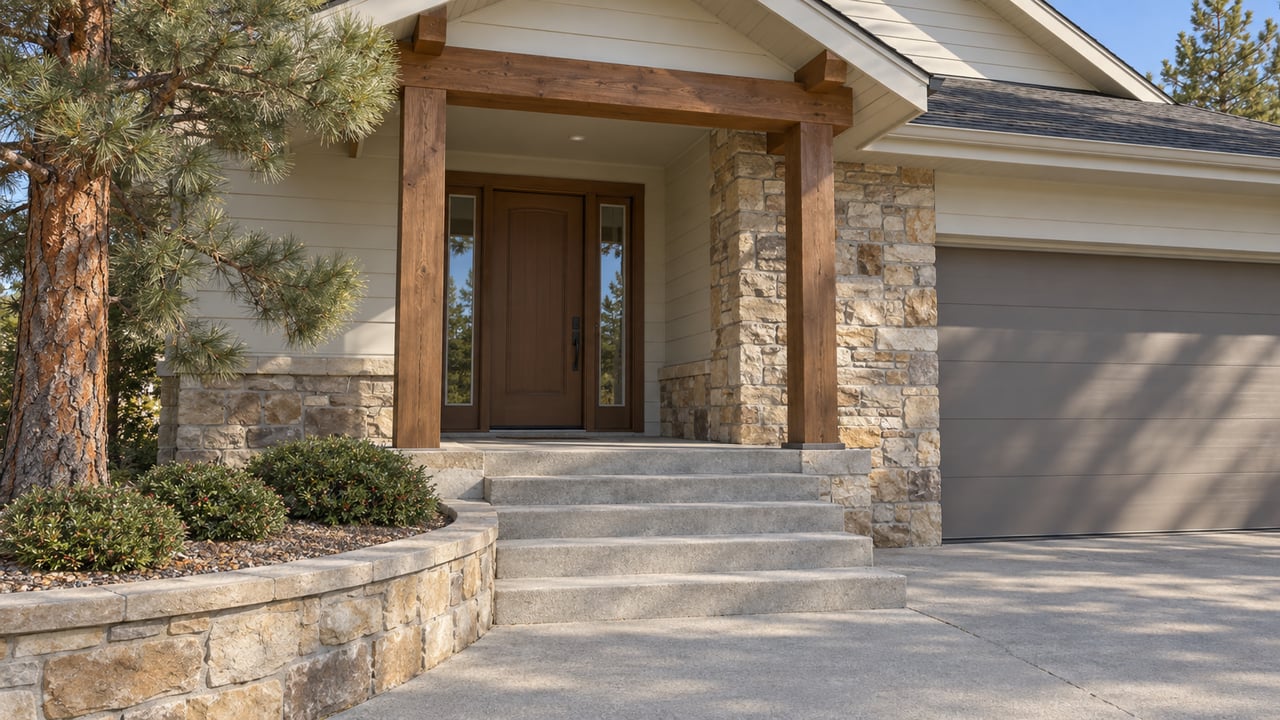
The hardscaping and design ideas that work best for Monument’s homes include native boulder placements, flagstone patios, gravel paths, and defensible-space planning around the structure. These elements handle freeze-thaw cycles, echo the surrounding terrain, and create usable outdoor rooms that last. Stone and gravel reduce the amount of living material you need to irrigate.
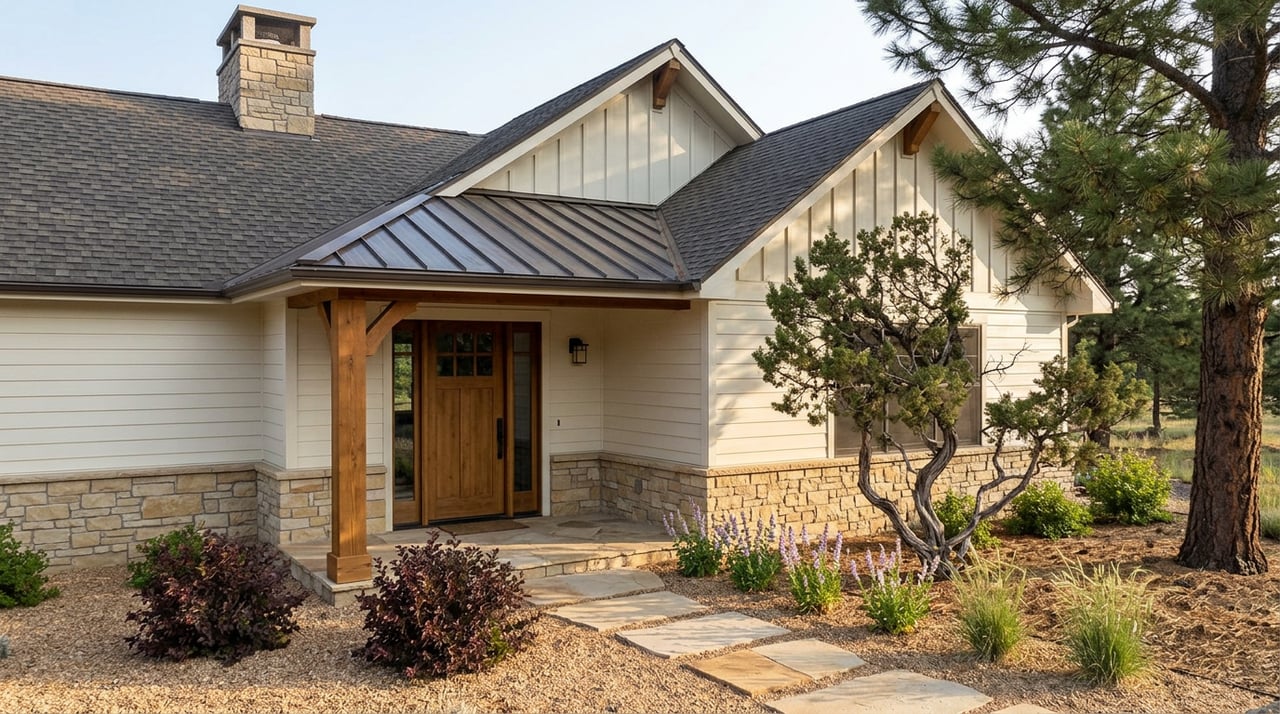
Boulders sourced from the region ground a design and pair naturally with ponderosa pines and ornamental grasses. Flagstone or paver patios extend your living space outward, giving you a place to take in the long mountain views that draw so many buyers to the region. Curving gravel paths tie garden zones together while letting rain soak in.
Because many homes in Monument sit near open terrain, keeping the first several feet around your house lean and low is a wise design choice. Thoughtful spacing between plantings and structures keeps your yard looking clean while respecting the wild edge that makes Monument homes special.
Design Elements Worth Considering
- Native boulders and dry creek beds manage runoff and add sculptural interest.
- Flagstone or paver patios create durable gathering spots with mountain views.
- Gravel and permeable paths connect zones while letting water absorb naturally.
- Lean, well-spaced plantings near the house support defensible-space goals.
FAQs
When Is the Best Time to Plant in Monument?
The best time to plant in your Monument home is late spring after the final frost, usually mid-to-late May, or early fall in September. Planting in these windows gives roots time to establish before extreme heat or hard cold. Hardy perennials and native shrubs settle in best when the soil is warm.
What Are Low-Maintenance Landscaping Options for Monument Homes?
Low-maintenance landscaping options for homes in Monument include native perennials, ornamental grasses, decomposed granite beds, and drip irrigation. These choices need little water, resist deer, and hold up to wind and sun with minimal intervention.
Do Deer Affect Plant Choices in Monument Yards?
Yes, deer strongly influence plant choices in yards throughout the Monument region, so aromatic and textured species tend to perform best. Russian sage, catmint, yarrow, and lavender are usually left alone, while tulips and hostas are often browsed.
Bringing Your High-Altitude Monument Landscape to Life
A yard designed for Monument's elevation rewards you with color, texture, and easy upkeep in every season. Great landscaping also adds real appeal when it comes time to sell, and it signals that a property has been cared for with intention.
If you are ready to make the most of your outdoor space or explore homes for sale in Monument, Colorado, reach out to us at
The Fletcher Team & Associates. We know this market and this terrain.