By The Fletcher Team & Associates
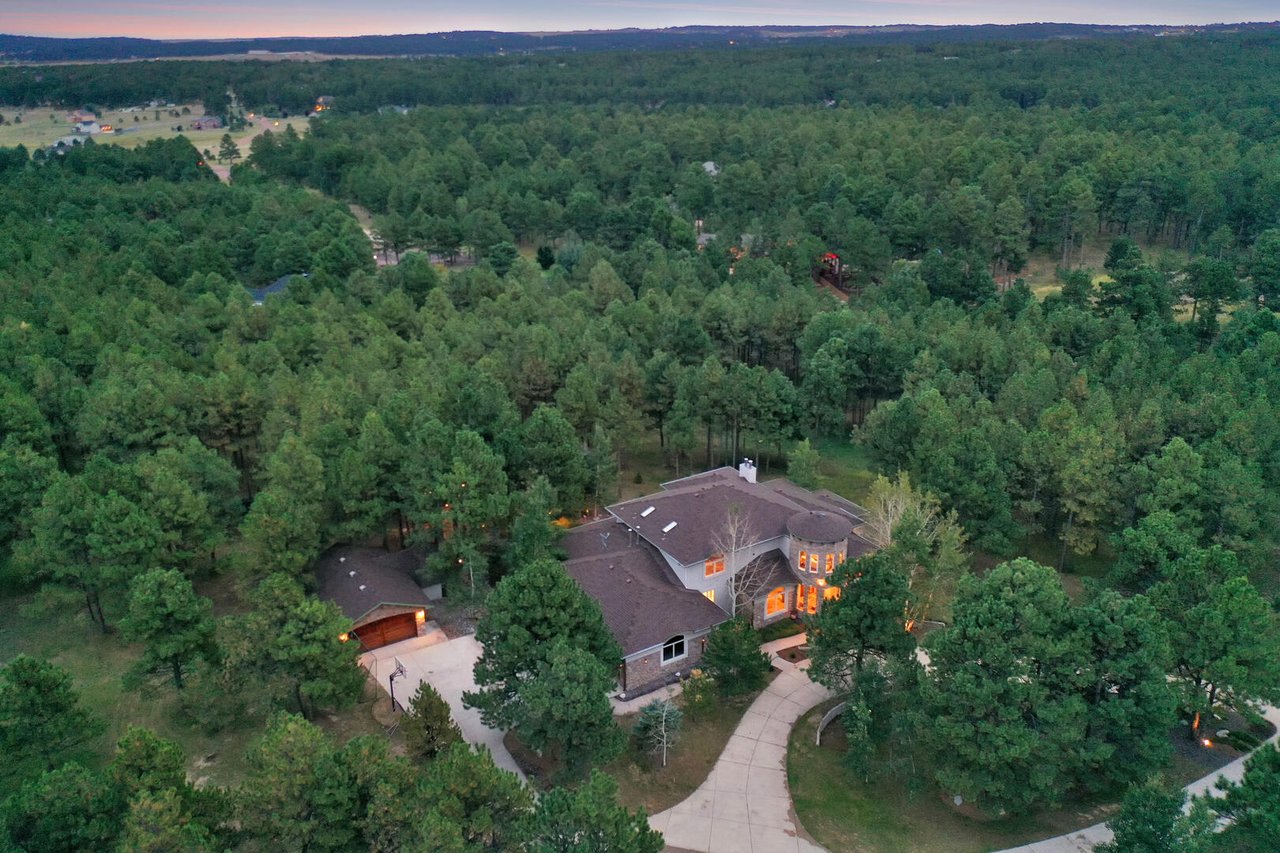
Monument's setting — quiet roads, dark skies, clean air, and an elevation that slows the pace of daily life — already gives homeowners here a natural head start on restful living. But the design of your home itself determines whether that external environment translates into genuinely restorative sleep. We think about what makes a home feel good to live in every day, and sleep quality is one of the most underrated dimensions of that. Here's how to design for it intentionally.
Key Takeaways
The bedroom environment — light, temperature, sound, and air quality — drives sleep quality more than most homeowners realize
Material and furnishing choices in the bedroom have a measurable impact on rest
Monument's climate and elevation create specific considerations worth designing around
Restful design principles extend beyond the bedroom to the whole home
Start With the Bedroom Environment
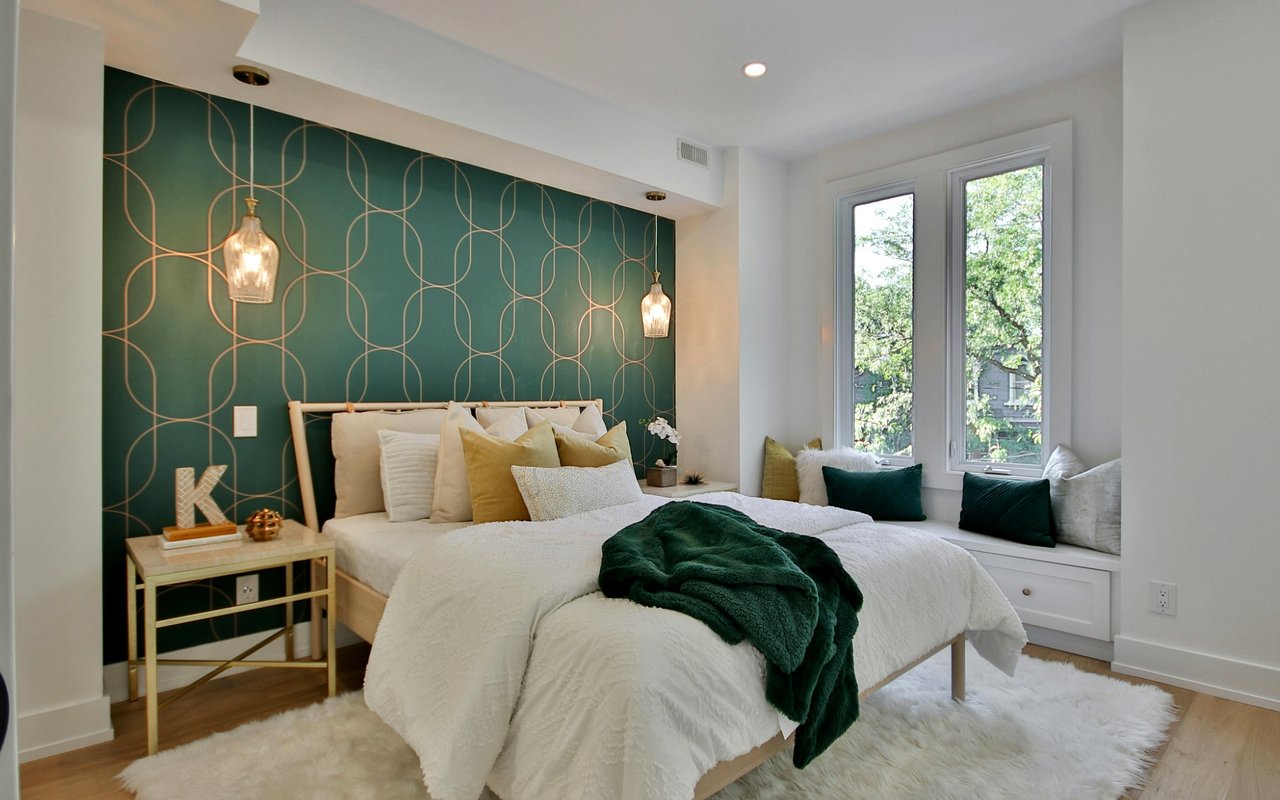
The bedroom is where sleep either happens or doesn't — and its design should reflect that priority. Most bedrooms are decorated without sleep in mind, which means they inadvertently work against the very thing they're meant to support.
The Bedroom Basics That Make the Biggest Difference
Darkness: invest in blackout curtains or cellular shades — Monument's high-altitude sunrises arrive early and bright, and even ambient light disrupts sleep cycles
Temperature: the ideal sleep temperature is cooler than most people keep their homes — between 65 and 68 degrees — which aligns well with Monument's naturally cooler nights
Clutter: visual complexity in the bedroom elevates cortisol levels; a clean, edited space signals the brain to wind down rather than stay alert
Electronics: screens in the bedroom are one of the most well-documented sleep disruptors — designing the room without a TV or charging station near the bed makes a measurable difference
Air quality: Monument's dry climate calls for a quality humidifier in the bedroom, particularly during winter months when forced-air heating drops indoor humidity significantly
Control Light, Temperature, and Sound
Beyond the immediate bedroom, the whole-home environment affects how easily you transition into rest each evening. These are the systems and design choices that support that transition.
Whole-Home Features That Support Better Sleep
Smart lighting: programmable lighting that shifts to warmer, dimmer tones in the evening hours signals the body's natural melatonin production — a genuinely effective and underused tool
Thermostat scheduling: set your system to begin cooling the home an hour before your target bedtime so the environment is ready when you are
Sound insulation: while Monument is far quieter than urban environments, interior sound transfer between rooms matters — solid-core doors and acoustic insulation in bedroom walls make a real difference
Dark-sky-friendly exterior lighting: Monument's elevation gives residents access to genuinely dark night skies — exterior lighting that points downward rather than outward preserves that asset and reduces unwanted light intrusion
Choose Materials and Furnishings That Support Rest
What your bedroom is made of and furnished with affects temperature regulation, allergen load, and sensory comfort in ways that accumulate into meaningfully better or worse sleep over time.
Material Choices Worth Prioritizing
Natural fiber bedding: linen and cotton breathe better than synthetic materials and regulate temperature more effectively — particularly relevant at Monument's elevation where night temperatures swing considerably
Low-VOC paint and finishes: off-gassing from conventional paints and finishes can irritate airways and disrupt sleep — low or zero-VOC products are widely available and worth specifying in the bedroom
Hard flooring with area rugs: easier to keep allergen-free than wall-to-wall carpet, while still providing acoustic softening and warmth underfoot
Window treatments that layer: a sheer layer for daytime privacy plus a blackout layer for sleep gives full flexibility without sacrificing natural light during waking hours
Extend Restful Design Beyond the Bedroom
Home Design Tips in Monument for Whole-Home Rest
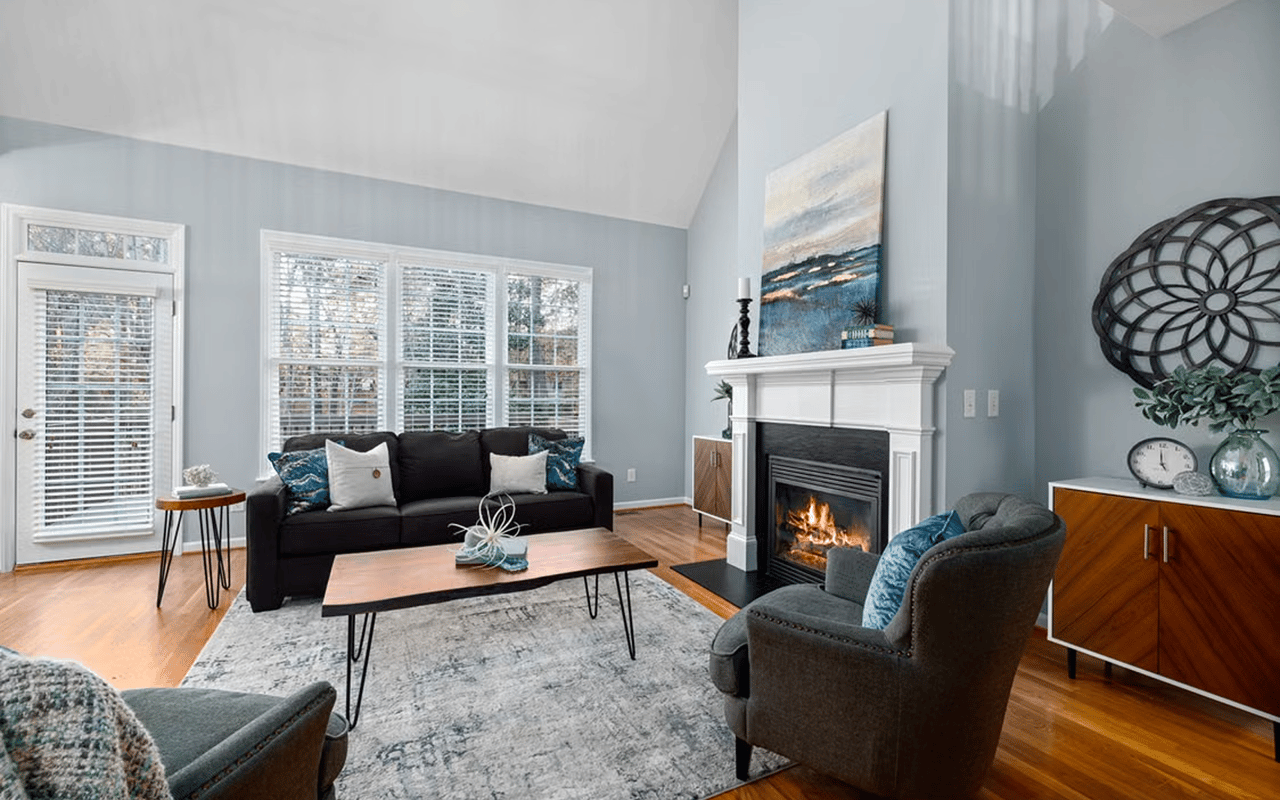
Create a genuine wind-down zone — a chair, lamp, and quiet corner away from screens where the transition from active to restful can happen deliberately
Keep common spaces free of harsh overhead lighting in the evening; lamps and indirect light sources shift the home's energy naturally
A consistent nighttime routine is easier to maintain when the home's layout supports it — bathrooms that feel calm and uncluttered, hallways that aren't obstacle courses in low light, and a kitchen that's ready to close down rather than invite late-night activity
Frequently Asked Questions
Does Colorado's High Elevation Affect Sleep Quality?
Yes — and it's worth knowing before you assume a sleep problem is design-related. Elevation above 6,000 feet can reduce sleep quality initially, particularly for newcomers, as the body adjusts to lower oxygen levels. Once acclimated, Monument's elevation becomes an asset; during adjustment, maintaining extra darkness, cool temperatures, and good hydration supports the process.
What's the Single Most Impactful Bedroom Change for Better Sleep?
Blackout window coverings, in our experience, get the most consistent feedback as a meaningful improvement. It's also one of the most affordable changes — and in Monument's high-altitude environment where early morning light is particularly bright and direct, the difference is immediate.
How Does Monument's Dry Climate Affect Sleep-Friendly Design?
Significantly. Forced-air heating in winter drops indoor humidity well below comfortable levels, which dries airways, disrupts breathing during sleep, and exacerbates allergies. A bedroom humidifier maintaining 40–50% relative humidity is one of the most practical investments a Monument homeowner can make for year-round sleep quality.
Contact The Fletcher Team & Associates Today
A home that supports restful living is worth more — in quality of life and in resale value. If you're looking for a property in Monument that checks those boxes, or preparing to sell one, reach out to us at
The Fletcher Team & Associates and let's talk.
We know what makes a great home in this community — and we'd love to help you find or create one.